 Save
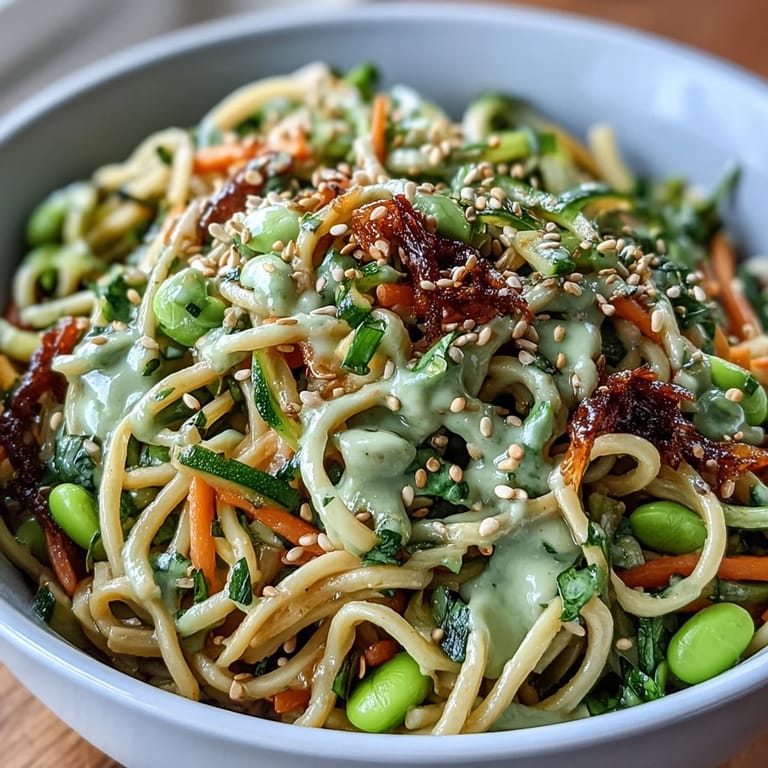
Save Last summer, I was standing in my kitchen on one of those too-hot-to-cook days when my neighbor dropped off a bag of fresh edamame from her garden. That small gesture sparked an obsession with cold noodle bowls, and this sesame ginger version became my answer to nearly every "what's for lunch" question. There's something magical about tossing chilled noodles in a dressing that tastes like it took hours but comes together in minutes, and the way the toasted sesame oil hits your nose the moment you whisk it in—that's when you know you're onto something good.
I made this for a potluck once where I was genuinely nervous about what to bring, and I watched three different people ask for the recipe while they were still eating. One friend who never cooks asked for the ingredient list right there at the table, and six months later she texted me a photo of her own version, slightly different but made with confidence. That bowl somehow became proof that food doesn't need to be complicated to matter.
Ingredients
- Soba or rice noodles (300 g / 10 oz): Soba noodles have an earthy depth that pairs beautifully with the sesame, but rice noodles work just as well if that's what you have—don't let a missing ingredient stop you.
- Cucumber (1 medium): Julienne it thin so it drinks in the dressing; thick slices stay too separate and stubborn.
- Carrots (2 medium): Peeled and julienned, they add sweetness and that satisfying crunch that makes each bite interesting.
- Edamame (1 cup / 150 g): Cooked and cooled, they're your quiet protein hero—slightly nutty and perfectly chewy.
- Green onions (2): Thinly sliced and scattered on top for brightness and a gentle onion whisper.
- Toasted sesame seeds (2 tbsp): Toast them yourself if you can; the smell alone is worth the two minutes, and they taste infinitely more alive than the pre-toasted versions.
- Tahini or smooth peanut butter (3 tbsp): The base that makes this dressing creamy; tahini tastes lighter while peanut butter brings earthiness—pick your mood.
- Soy sauce (2 tbsp): Use tamari if gluten bothers you, and don't skip the good stuff here because it's the volume dial on all the other flavors.
- Toasted sesame oil (2 tbsp): This is where the magic lives; a little goes a long way, and it's worth having a quality bottle.
- Rice vinegar (1 tbsp): It balances the richness without shouting, keeping everything in harmony.
- Maple syrup or honey (1 tbsp): Just enough to round out the edges and make the dressing taste complete.
- Fresh ginger (1 tbsp, grated): Use a microplane and grate it right before mixing; the smell tells you it's alive and ready to do its job.
- Garlic (1 clove, minced): One is enough because this dish doesn't want to be aggressive, just confident.
- Water (2-3 tbsp): Added gradually so your dressing becomes silky instead of gluey.
Tired of Takeout? 🥡
Get 10 meals you can make faster than delivery arrives. Seriously.
One email. No spam. Unsubscribe anytime.
Instructions
- Cook your noodles until they're tender but still with a whisper of resistance:
- Follow the package timing, but taste them at the lower end because they'll soften slightly more once they're dressed. Drain them into a colander and run cold water through until they're completely cooled and won't stick together like they're glued.
- Cut everything while the noodles cook:
- Julienne your cucumber and carrots into thin, delicate pieces that will catch the dressing. Slice your green onions on a sharp bias, and if your edamame aren't already cooked and cooled, take care of that now.
- Build your dressing in a small bowl like you're making a paste:
- Start with the tahini, then add soy sauce, sesame oil, rice vinegar, maple syrup, ginger, and garlic. Whisk everything together until it looks thick and emulsified, then slowly add water while whisking until you reach that perfect pourable-but-still-coating consistency—it should coat the back of a spoon with elegance, not drip like water.
- Dress the noodles first, while they're still cold:
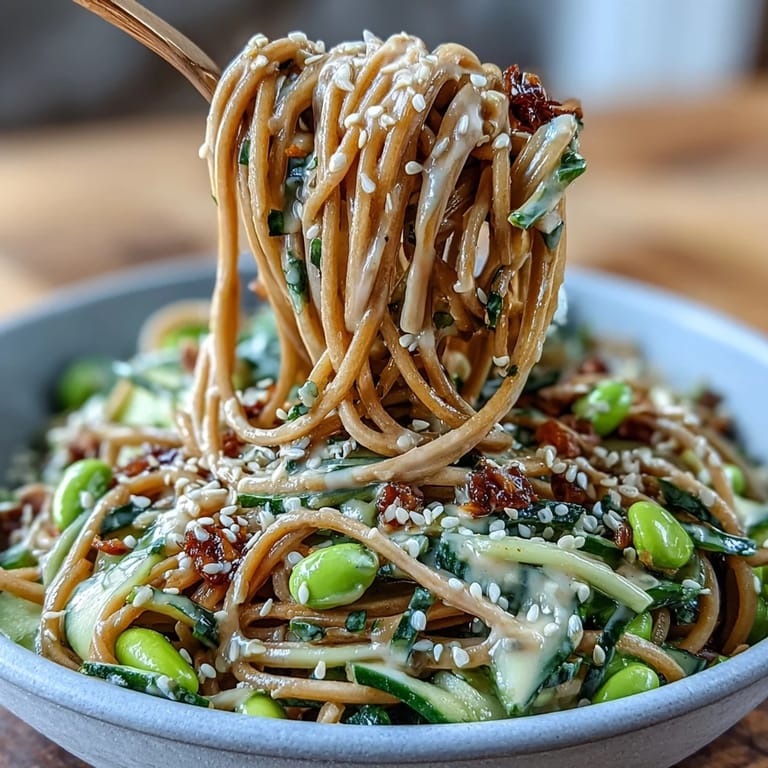
- This is the key moment: put your cooled noodles in a large bowl and pour the dressing over them, then toss with intention, making sure every strand gets introduced to the sesame magic. The noodles should look glossy and grateful.
- Add your vegetables with a gentle hand:
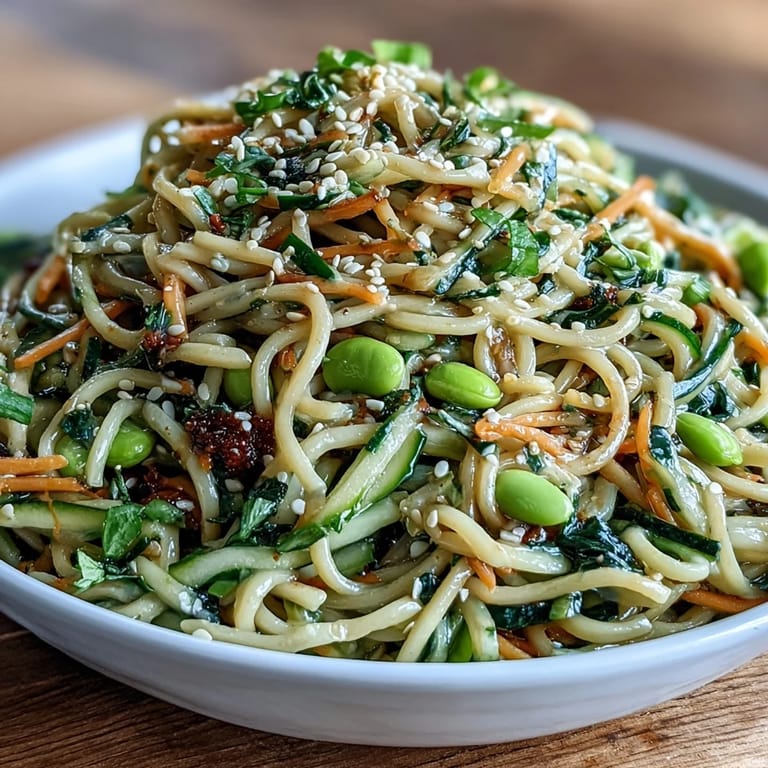
- Fold in the cucumber, carrot, and edamame without being aggressive; you want them to distribute evenly but stay distinct enough to bite into fresh crunch. Taste here and adjust if you need more salt or acid.
- Divide into bowls and crown with garnish:
- Scatter green onions and toasted sesame seeds over the top of each bowl like you mean it. If you have time, let everything chill for fifteen minutes so the flavors can settle and become even more integrated.
 Save
Save My partner once told me that this bowl tastes like summer feels, and I think that's the most accurate review it's ever gotten. It became the meal we'd make on days when we wanted to eat something that tasted like energy instead of heaviness.
The Sesame Oil Secret
I learned this the hard way after buying a massive bottle of cheap sesame oil that tasted like straw. The difference between mediocre and memorable in this recipe comes down almost entirely to using toasted sesame oil from a source you trust, because it's the only strong flavor here and it carries the whole show. If your dressing tastes flat even after you've checked everything else, your sesame oil is probably the culprit whispering lies about quality.
Making It Your Own
This bowl is a template that actually wants you to improvise within it. I've made versions with shredded rotisserie chicken, with baked tofu pressed until it squeaks, with thinly sliced avocado that melts into the warm noodles, and even once with crispy chickpeas when I was out of edamame. The dressing stays the same, but the additions can shift with whatever your market has that day or whatever protein your body is asking for.
Storage and Next Day Magic
This bowl actually improves as it sits because the noodles absorb the dressing more fully and everything becomes more cohesive, which is rare and wonderful. Store it in the refrigerator in an airtight container for up to three days, though the vegetables will gradually soften and the noodles will drink in more dressing, making it less of a crisp salad and more of a silky, concentrated bowl that tastes like it was meant to meld together.
- If you're meal prepping, keep the dressing separate from the noodles and vegetables until you're ready to eat so everything stays as fresh as possible.
- The sesame seeds and green onions are better added right before eating so they keep their personality instead of absorbing into the whole.
- If your stored bowl seems too thick, add a splash of water or a small drizzle of sesame oil to wake it back up before eating.
 Save
Save This sesame ginger noodle bowl has become my go-to meal when I want something that tastes like it took real effort but won't keep me in the kitchen sweating on a hot day. It's proof that sometimes the most satisfying dishes are the ones that don't try too hard.
Common Questions
- → What type of noodles works best?
Soba or rice noodles are ideal for their texture and ability to hold the dressing well. Both can be served chilled and maintain a pleasant bite.
- → Can the sesame-ginger dressing be made ahead?
Yes, the dressing can be whisked up in advance and stored in the fridge for up to 3 days, allowing flavors to meld beautifully.
- → How can I make this dish spicier?
Adding chili flakes or a drizzle of sriracha enhances the heat without overpowering the nutty and tangy notes.
- → What are good protein additions?
Edamame offers plant-based protein, and additional options include baked tofu or shredded chicken to suit different diets.
- → Is this suitable for gluten-free diets?
Yes, by choosing tamari over soy sauce and selecting gluten-free rice noodles, this dish fits gluten-free needs comfortably.