 Save
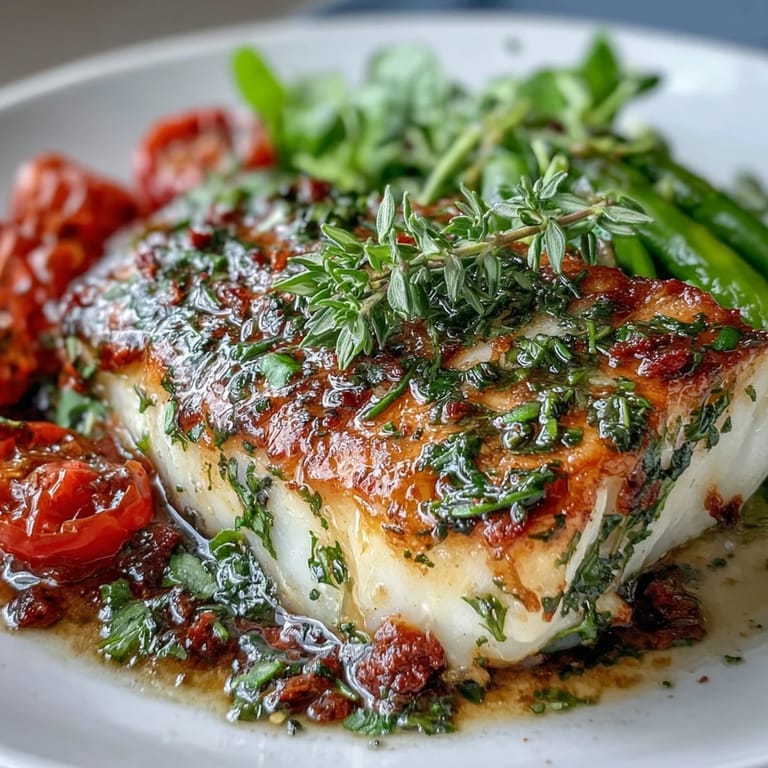
Save My neighbor stopped by one evening with a bag of impossibly fresh cod from the fish market, still cold from the case, and challenged me to make something that wouldn't take all night. That's when sheet pan cooking became my secret weapon—everything lands on one piece of parchment, the oven does the heavy lifting, and somehow the kitchen smells like a Mediterranean villa instead of a weeknight scramble. The lemon and herbs perfume the fish so gently that it doesn't feel fancy, just naturally bright and clean. What struck me most was how the asparagus caramelized at the edges while staying tender, and those cherry tomatoes burst into themselves, creating their own little sauce. Dinner was ready in less time than it took to set the table.
I made this for a friend who'd just started eating more fish and was nervous about overcooking it. When I pulled the sheet pan out and the cod broke apart with the gentlest pressure from a fork, I watched her shoulders relax—she'd been expecting something dry and rubbery, not this tender, almost buttery bite. The asparagus was still slightly crisp, the tomatoes had burst into jammy little pockets, and suddenly she was asking for the recipe before we'd even sat down. That's when I realized this dish does something quiet but powerful: it makes people feel capable in the kitchen without asking them to be.
Ingredients
- Cod fillets (4 pieces, about 150 g each): Look for thick, evenly-sized fillets so they cook at the same rate—thinner edges won't dry out while thicker centers are still cooking.
- Olive oil (3 tablespoons total): Use good quality, fruity olive oil if you can; it carries the flavor of the garlic and lemon in a way that cheap oil simply doesn't.
- Lemon (1 whole): Zest it first, then juice it—the zest clings to the fish and doesn't wash away, while the juice mingles with the oil and herbs into a delicate sauce.
- Fresh garlic (2 cloves): Mince it fine so it distributes evenly and doesn't char; burned garlic tastes bitter and will overpower the delicate fish.
- Fresh parsley and thyme: These herbs stay bright under gentle heat, unlike stronger herbs that can turn bitter—if using dried thyme, use half the amount because dried is more concentrated.
- Asparagus (1 bunch, about 400 g): Trim the woody ends by bending each spear until it snaps naturally; that's where the tender part begins, and the rest just gets stringy.
- Cherry tomatoes (250 g, halved): Halving them lets them cook through while concentrating their sweetness, and they won't roll around the pan the way whole ones do.
- Salt and pepper: Season generously but separately—the fish gets its own seasoning in the herb mixture, and the vegetables get theirs at the end.
Tired of Takeout? 🥡
Get 10 meals you can make faster than delivery arrives. Seriously.
One email. No spam. Unsubscribe anytime.
Instructions
- Set your oven and prepare the stage:
- Preheat to 200°C (400°F) and line a large baking sheet with parchment paper—this isn't just for easy cleanup, it keeps the fish from sticking and steaming instead of baking. If you don't have parchment, a light coating of oil works too, though you'll lose a little texture.
- Build the herb oil:
- In a small bowl, whisk together the olive oil, lemon zest, lemon juice, minced garlic, parsley, and thyme until it looks like a loose, fragrant paste. The zest should be distributed throughout so every bite of fish gets those tiny bursts of citrus oil.
- Prepare the fish:
- Pat the cod fillets dry—any excess moisture will steam them instead of letting them bake, and drying them is the difference between flaky and mushy. Lay them on one side of your sheet pan and brush the herb mixture over each fillet so it's evenly coated but not swimming.
- Arrange the vegetables:
- On the other side of the pan, scatter the asparagus and halved tomatoes, drizzle with oil, and toss gently with your hands to coat everything. Season with salt and pepper, and position the asparagus so the tips point toward the cooler edge of the oven if your oven has hot spots.
- Bake until everything is tender:
- Slide the sheet into the oven for 16 to 18 minutes—the fish is done when a fork easily flakes a piece away from the center, and the asparagus should bend slightly but still have a tiny bit of resistance. The tomatoes should look blistered at the edges but not collapsed.
- Plate and finish:
- Transfer everything to plates while it's still warm, and if you want, finish with a squeeze of fresh lemon and a scatter of extra herbs. Lemon wedges on the side let people adjust the brightness to their taste.
 Save
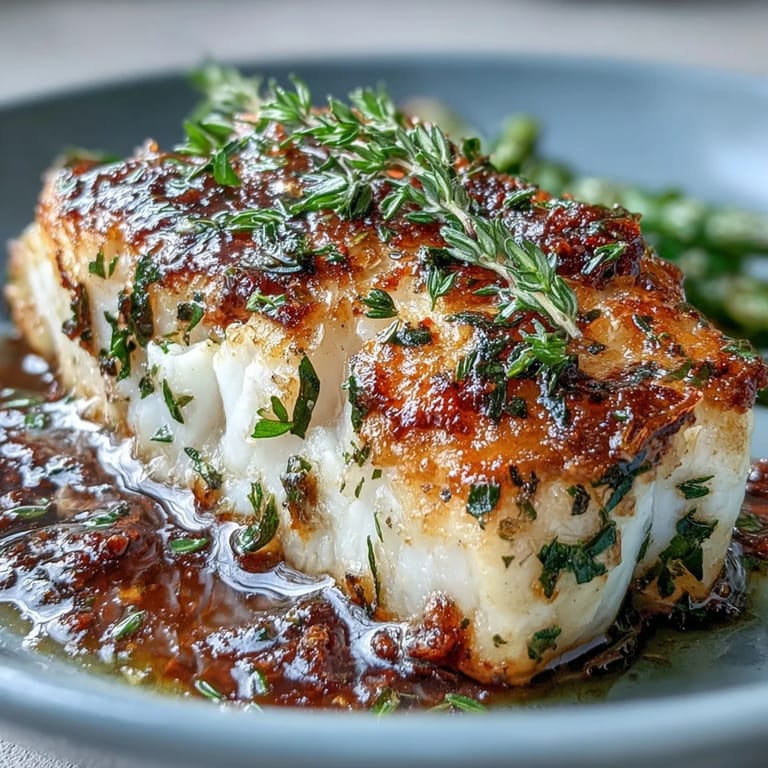
Save There was an afternoon when I made this for my sister right after she'd moved into her first apartment, and all she had was a toaster oven and a baking sheet someone had given her as a housewarming gift. Watching her face when she pulled out a sheet pan dinner that tasted restaurant-quality from that tiny toaster oven—that's when I understood the real power of this recipe. It proves that good cooking isn't about fancy equipment or complicated techniques; it's about understanding how heat and time and the right ingredients work together.
Why Sheet Pan Cooking Changes Everything
Sheet pan meals sit somewhere between cooking and not cooking—you do minimal prep, the oven does the thinking, and you end up with perfectly cooked protein and caramelized vegetables without the usual juggling act. The fish and vegetables cook in the same steam and heat, so flavors mingle without you having to fuss with multiple pans or timing different components. It's practical magic, really: one cleanup, one baking sheet, and somehow everyone feels like you spent the afternoon in the kitchen.
The Story Behind Mediterranean Flavors
Lemon, garlic, and fresh herbs are the backbone of Mediterranean cooking because they were what people had growing in their gardens and what grew wild near the sea. There's no pretense in it, just an understanding that you let good ingredients speak for themselves without heavy sauces or complicated techniques. When you make this dish, you're cooking the way people have cooked around that sea for centuries—simple, fresh, and somehow always right.
Making It Work For Your Kitchen
The beauty of this recipe is how forgiving it is—if your oven runs hot, check the fish a minute or two early, and if it runs cool, give it an extra couple minutes. The vegetables are flexible too; if you love broccoli more than asparagus, swap it in, and if cherry tomatoes aren't in season, use sliced regular tomatoes or whatever looks good at the market. The lemon herb combination works with almost any white fish and most vegetables, so once you understand the method, you're free to improvise.
- If you're cooking for one or two people, halve the recipe and use a smaller baking sheet so everything cooks evenly.
- Serve with something to soak up the pan juices—crusty bread, rice, or quinoa all work beautifully.
- Leftovers keep for a day in the refrigerator and taste wonderful cold or gently reheated at low temperature.
 Save
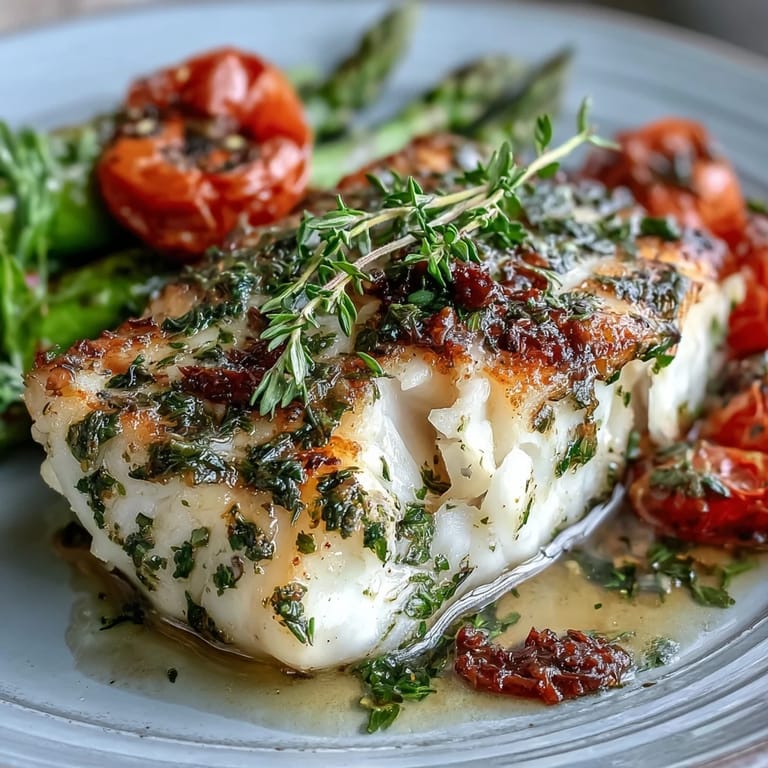
Save This is the kind of dinner that makes people happy without demanding anything theatrical from you. It's proof that the best meals often come from understanding a few good ingredients and letting them do what they naturally do.
Common Questions
- → What is the best way to bake cod fillets?
Pat the fillets dry and coat with a flavorful lemon-herb blend. Bake at 200°C (400°F) for 16–18 minutes until the fish flakes easily with a fork.
- → Can other fish be used as a substitute?
Yes, haddock or halibut works well and provide a similar texture and mild flavor.
- → How do I prepare the asparagus for roasting?
Trim the tough ends, toss with olive oil, salt, and pepper, then roast alongside the cod for a tender, crisp finish.
- → What herbs complement this dish best?
Fresh parsley and thyme bring bright and earthy notes that enhance the citrus and garlic elements.
- → Are there suggestions to add extra flavor to the vegetables?
A sprinkle of Parmesan cheese over the asparagus before baking adds a savory depth.