 Save
Save I discovered these lettuce cups completely by accident on a Tuesday night when I was tired of the same dinner routine and had a package of shirataki noodles staring at me from the pantry. The idea hit me while chopping ginger—why not treat them like potstickers but serve them fresh and handheld? My kitchen filled with that perfect sizzle of turkey hitting hot oil, and within twenty minutes, I had something that felt both comforting and exciting, crispy lettuce leaves cradling warm, savory noodles that tasted familiar but completely new.
The first time I made these for my sister, she grabbed three in a row without stopping to breathe, then looked at me with this surprised expression like I'd just revealed a secret I'd been keeping from her. That's when I knew I'd stumbled onto something special—the kind of dish that feels indulgent but doesn't leave you feeling heavy, the kind you want to make again almost immediately.
Ingredients
- Lean ground turkey: This is your backbone, and using the leanest option keeps things light without sacrificing that satisfying, savory depth that makes lettuce cups feel substantial.
- Shirataki noodles or rice noodles: Shirataki gives you that low-carb benefit, but honestly they need a good rinse and a quick dry or they'll release water and make everything soggy—I learned that the hard way.
- Vegetable oil: Just enough to get the turkey browning properly without pooling grease everywhere.
- Garlic and ginger: These two are non-negotiable; they're what transforms ground turkey from plain to potsticker-magic.
- Green onions: Split between cooking and garnish so you get that fresh bite both within the mixture and as a final flourish.
- Shredded carrots and cabbage: They soften slightly but keep some texture, adding sweetness and that gentle crunch that makes each bite interesting.
- Low-sodium soy sauce: The backbone of your sauce, so choose one you actually enjoy tasting on its own.
- Rice vinegar: A splash of brightness that cuts through the richness and makes everything taste more alive.
- Hoisin sauce: This brings that subtle sweetness and umami depth that screams potsticker.
- Toasted sesame oil: Use just a teaspoon—it's potent, but that's the point; a little goes an enormous way.
- Chili garlic sauce: Optional, but if you like heat, this is where you find it.
- Butter lettuce leaves: They need to be large enough to hold a generous spoonful but tender enough that they don't crack; look for the innermost leaves of the head.
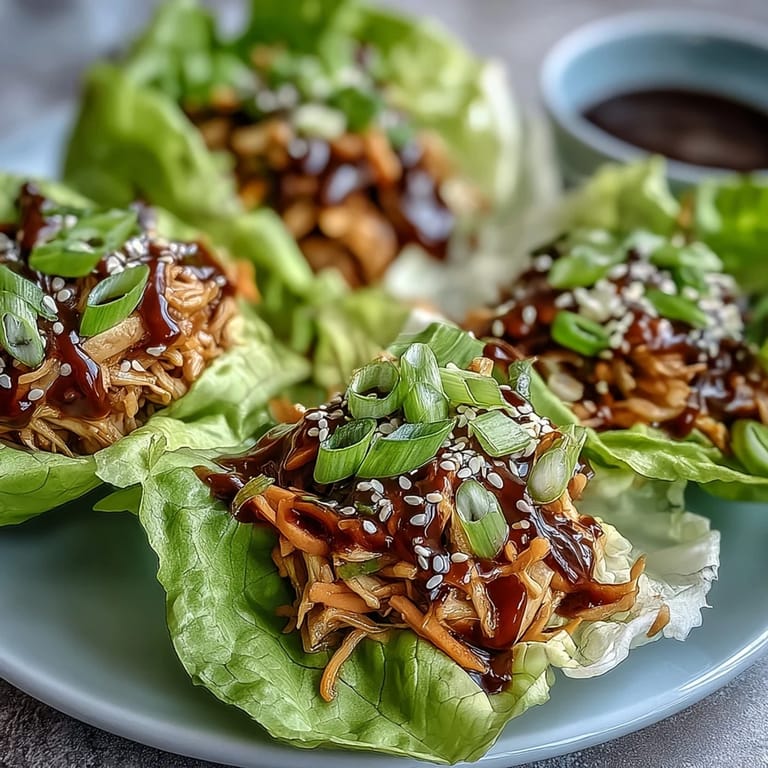
- Sesame seeds and fresh herbs: These are your finishing touch, the moment when everything stops being just dinner and becomes something you actually want to photograph.
Tired of Takeout? 🥡
Get 10 meals you can make faster than delivery arrives. Seriously.
One email. No spam. Unsubscribe anytime.
Instructions
- Get your noodles ready:
- If you're using shirataki, rinse them under cold water like you're washing something precious, then pat them completely dry with paper towels—moisture is the enemy here. If using rice noodles, cook them according to the package, drain, and set aside to cool slightly.
- Brown the turkey with purpose:
- Heat your skillet over medium-high heat until it's properly hot, then add oil and let it shimmer before the turkey goes in. Break it up as it cooks, letting it get golden and a little caramelized rather than just gray and cooked through; this takes about five to six minutes and makes all the difference.
- Wake everything up with aromatics:
- Once the turkey is browned, add your minced garlic and ginger along with half the green onions, stirring constantly for about a minute until your entire kitchen smells like a potsticker factory. This smell is how you know you're on the right track.
- Add your vegetables and let them soften:
- Toss in the carrots and cabbage, stirring occasionally for two to three minutes until they lose their raw edge but still have some snap to them. You want them cooked but not mushy, with that gentle sweetness starting to come through.
- Make your sauce sing:
- In a small bowl, whisk together soy sauce, rice vinegar, hoisin, sesame oil, and chili garlic sauce if you're using it. This is where the magic lives, so take a moment to smell it—you should get sweet, salty, tangy, and toasted all at once.
- Bring it all together:
- Add your cooked noodles and sauce to the skillet, tossing everything gently but thoroughly for two to three minutes until the noodles are heated through and everything is coated evenly. The mixture should smell incredible and look glossy and cohesive.
- Assemble your wraps:
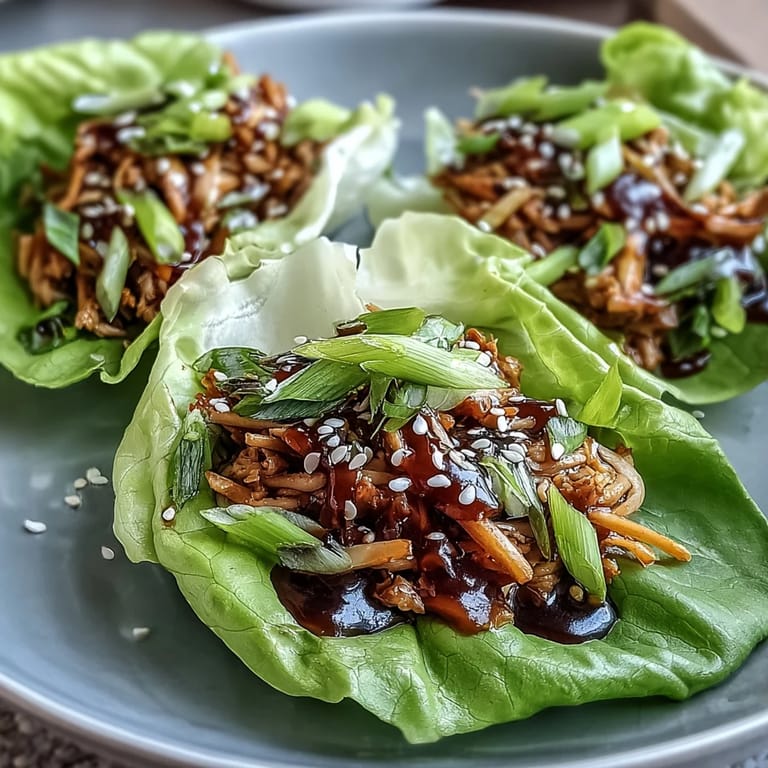
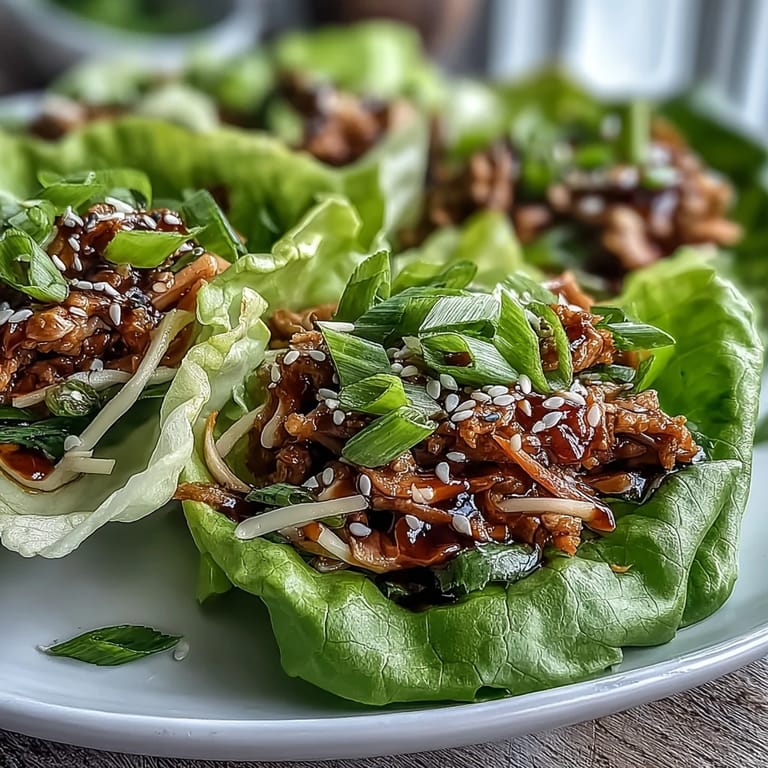
- Spoon the warm turkey noodle mixture into butter lettuce leaves, then top with remaining green onions, sesame seeds, and fresh herbs. Serve immediately while the filling is still warm and the lettuce is still crisp.
 Save
Save Last month, I made these for a dinner party where someone mentioned they were trying to eat lower-carb, and I realized halfway through serving that I'd created something everyone at the table wanted to eat, regardless of their dietary preferences. That's the moment I stopped thinking of these as a workaround and started thinking of them as just genuinely delicious.
The Secret to Crispy Lettuce Leaves
The difference between lettuce leaves that stay pleasantly crisp and ones that wilt into sad, soggy sadness is all about temperature and timing. You want your filling warm but not scorching, and you want to assemble everything just before eating—this isn't a make-ahead situation. I learned this when I tried to prep a batch for a picnic and watched them turn into a sad salad by the time we got there.
Playing With Flavors and Variations
Once you understand the basic formula, this dish becomes your playground. I've made it with ground pork, with a mix of turkey and mushrooms, even with crumbled tofu when I was cooking for vegetarian friends. The sauce is flexible enough to handle additions like a splash more sesame oil for richness, or a hit of lime juice for brightness instead of just the rice vinegar.
Why This Works as a Complete Meal
There's something satisfying about eating something with your hands that tastes indulgent but leaves you feeling energized rather than sluggish. The protein in the turkey keeps you full, the vegetables add fiber and nutrition, and the noodles give you that textural satisfaction your mouth has been craving. Every bite is a little bit different depending on how much filling you load in and which herbs you get.
- Pair these with jasmine tea for a light, elegant meal that feels like you've gone somewhere special without leaving your kitchen.
- Make extra filling and use it in a stir-fry the next day if you have leftovers, though honestly, these rarely make it to the fridge.
- If butter lettuce is nowhere to be found, the inner leaves of romaine work beautifully too—just choose the tender ones.
 Save
Save These lettuce cups have become my go-to when I want something that feels like real food but doesn't demand hours in the kitchen. They remind me that eating well doesn't have to be complicated, just thoughtful and made with ingredients you actually care about.
Common Questions
- → Can I make these lettuce cups ahead of time?
The turkey noodle filling can be prepared up to 2 days in advance and stored in the refrigerator. Reheat gently in a skillet before serving. Assemble the lettuce cups just before eating to prevent the leaves from wilting.
- → What other proteins work well in this dish?
Ground chicken, pork, or beef make excellent substitutes for turkey. For a vegetarian option, use crumbled firm tofu or plant-based ground meat alternatives. The cooking time remains roughly the same.
- → Can I use regular noodles instead of shirataki?
Absolutely. Cooked rice noodles, udon, or even spaghetti work well. Just prepare them according to package directions and drain thoroughly before adding to the skillet. Note that regular noodles will increase the carbohydrate content.
- → How do I keep the lettuce leaves from tearing?
Choose large, sturdy butter lettuce heads. Gently separate leaves from the core starting at the outer layers. Wash and dry them carefully, then store layered between paper towels in the refrigerator until ready to fill.
- → What can I serve alongside these lettuce cups?
These pair beautifully with miso soup, cucumber salad, or steamed edamame for a complete meal. For beverages, try dry Riesling, light lager, or jasmine tea to complement the Asian flavors.
- → Is the sauce spicy?
The base sauce has mild heat from aromatics. Add the optional chili garlic sauce if you prefer more spice. You can also serve sriracha or chili oil on the side so diners can adjust heat to their preference.