 Save
Save I burned my first batch of toasted coconut trying to multitask with laundry. The smell pulled me back to the kitchen too late, and I stood there staring at a pan of brown flakes that had crossed the line from golden to bitter. That mistake taught me to stay close, to listen for the shift in aroma when the coconut goes from raw to ready. Now I make this pudding on quiet Sunday mornings when I can give it the attention it deserves, stirring slowly and watching the grains soften into something that feels like a hug in a bowl.
I made this for my sister after she came home from a long trip, jet-lagged and craving comfort food that wasn't heavy. She sat at the counter in her pajamas, spoon in hand, and said it tasted like vacation without the baggage fees. We added extra mango that day because her fridge was full of it, and the tartness cut through the cream in a way that made us both go back for seconds. It became our reset meal, the thing we make when life feels too loud and we need to remember what easy sweetness tastes like.
Ingredients
- Arborio rice: The starch in short-grain rice is what makes this pudding creamy without adding flour or eggs, so don't swap it for long-grain unless you want soup.
- Coconut milk (full-fat): The richness here is non-negotiable; light coconut milk will leave you with a watery disappointment that no amount of stirring can fix.
- Whole milk: This balances the coconut so it doesn't feel one-note; almond milk works if you're dairy-free, but pick the unsweetened kind to control the sugar yourself.
- Granulated sugar: Start with a third of a cup and taste as you go; some people like it barely sweet, others want it to lean into dessert territory.
- Shredded unsweetened coconut: Toasting this is where the magic happens; it smells like summer and adds texture that keeps every bite interesting.
- Vanilla extract: Stir this in at the end so the heat doesn't cook off the floral notes that make vanilla worth using.
- Ground cinnamon: Just a quarter teaspoon warms the whole pot without making it taste like a spice cake.
- Pinch of salt: It sharpens the sweetness and makes the coconut flavor pop in a way that feels almost savory.
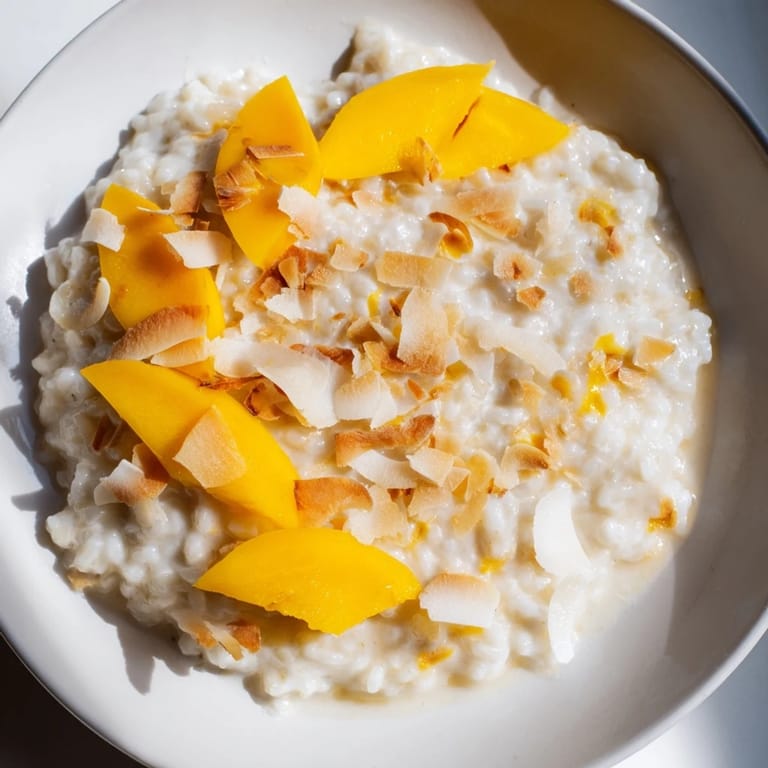
- Toasted coconut flakes (optional): These add crunch and a little show-off factor when you serve it to someone who thinks pudding is boring.
- Fresh mango or pineapple (optional): The acidity and fruit sugar turn this into something that feels alive instead of just heavy and sweet.
Tired of Takeout? 🥡
Get 10 meals you can make faster than delivery arrives. Seriously.
One email. No spam. Unsubscribe anytime.
Instructions
- Toast the coconut:
- Heat a dry skillet over medium and add the shredded coconut, stirring constantly with a wooden spoon. The moment it starts to smell nutty and turn golden, pull it off the heat; it goes from perfect to burnt in about ten seconds.
- Combine the base:
- Pour the rice, coconut milk, whole milk, sugar, toasted coconut, salt, and cinnamon into a medium saucepan and stir it all together before turning on the heat. This prevents the rice from clumping at the bottom where it likes to stick and scorch.
- Bring to a simmer:
- Turn the heat to medium and stir occasionally as the liquid warms, watching for the first slow bubbles to break the surface. Don't walk away; this is when the milk can boil over and make a mess you'll regret cleaning.
- Cook low and slow:
- Drop the heat to low and let it cook uncovered, stirring every few minutes to keep the rice from sticking. After about thirty minutes, the grains will be tender and the liquid will have thickened into something spoonable and creamy.
- Finish with vanilla:
- Pull the pan off the heat and stir in the vanilla extract, then let it sit for five minutes. The pudding will thicken as it cools, so if it looks a little loose, trust the process.
- Serve your way:
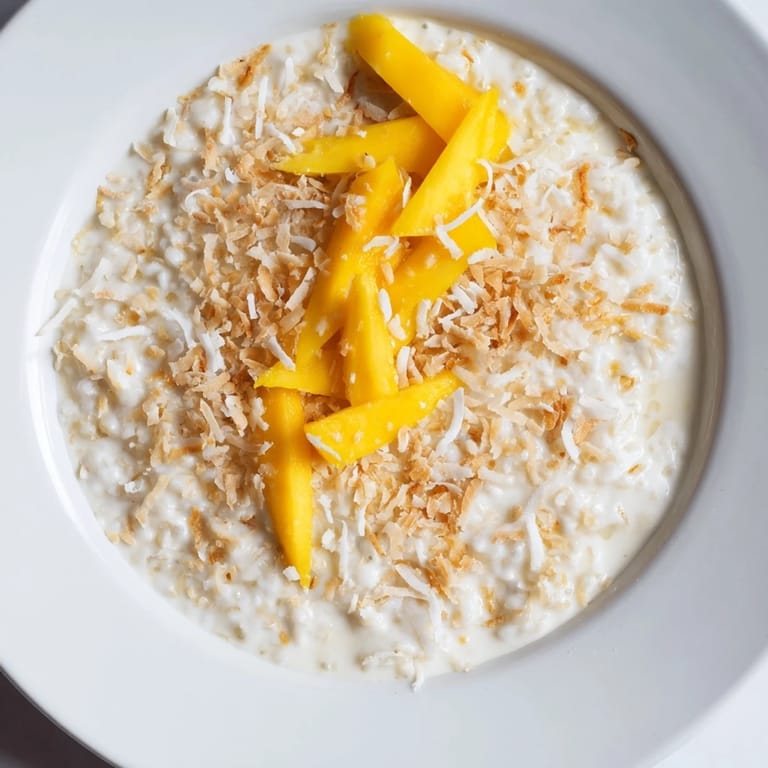
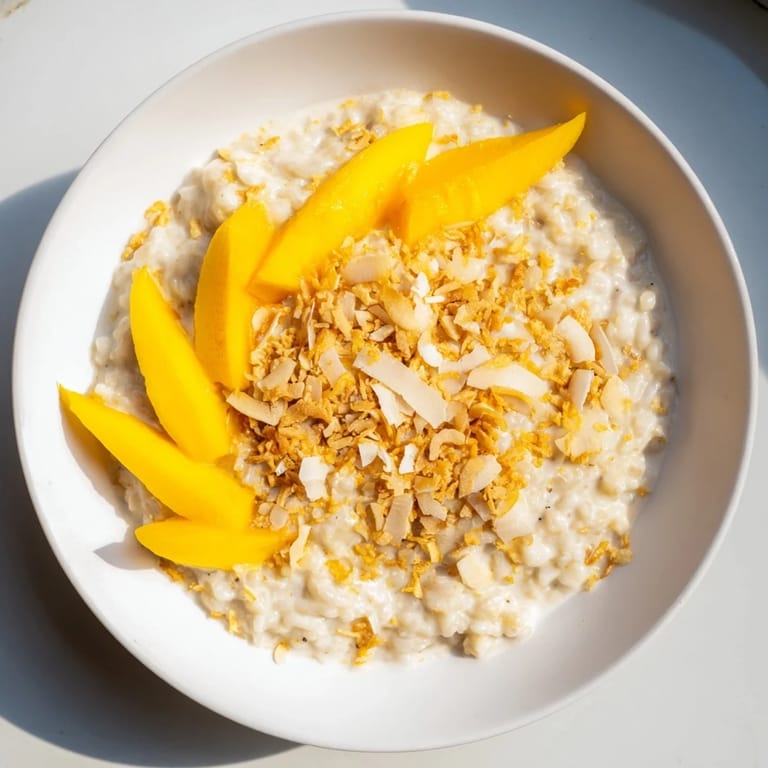
- Spoon it into bowls warm, or chill it in the fridge and top with toasted coconut flakes and fresh mango. Both versions are good; it just depends on whether you want comfort or refreshment.
 Save
Save 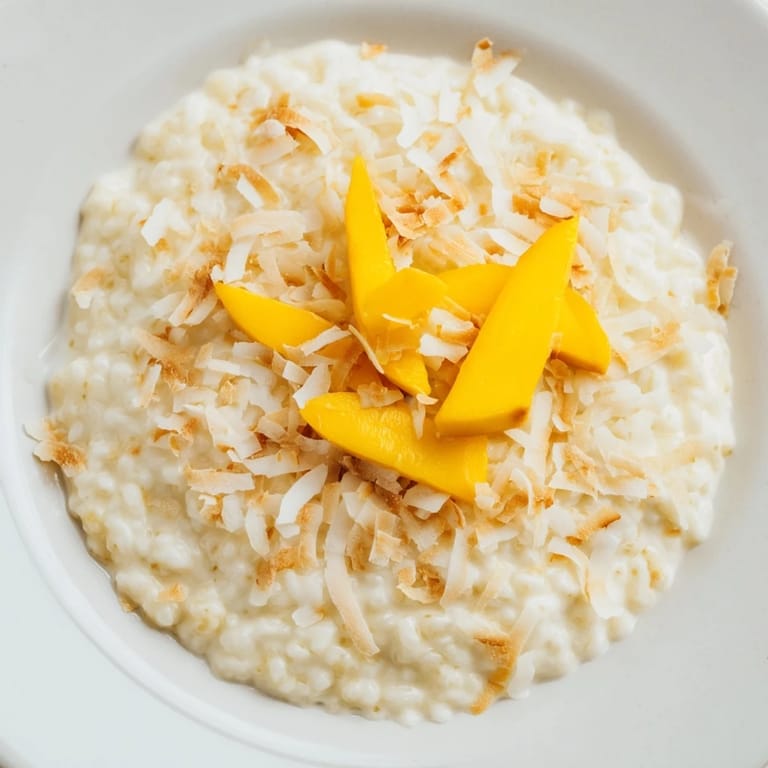 Save
Save One winter evening, I made a double batch and brought it to a potluck where everyone else had shown up with casseroles and roasted vegetables. People were skeptical until they tasted it, and then the bowl emptied faster than anything on the table. Someone asked if I'd trained at a culinary school, and I laughed because the truth was I'd just learned to pay attention and not rush something that needed time. That night, this simple pudding became the thing people remembered, and I realized that's what good food does—it makes a moment stick.
How to Store and Reheat
I keep leftovers in an airtight container in the fridge for up to four days, though it rarely lasts that long. The pudding thickens as it sits, so when you reheat it on the stove, add a splash of milk and stir over low heat until it loosens back up. If you're eating it cold, sometimes I like it straight from the fridge with a spoonful of yogurt stirred in for tang.
Variations That Actually Work
I've swapped the whole milk for extra coconut milk when I wanted it richer and more tropical, and I've also used almond milk when my friend who can't do dairy came over. You can fold in a handful of chopped dark chocolate at the end if you want it to feel more like dessert, or stir in cardamom instead of cinnamon for something that tastes a little more unexpected. Fresh pineapple works just as well as mango, and once I used passion fruit pulp on top, which made it taste like I'd put in way more effort than I actually had.
What to Serve Alongside
This pudding is rich enough to stand alone, but I've served it after a light dinner of grilled fish and green salad when I wanted something sweet without feeling too full. For breakfast, I pair it with black coffee and maybe a few berries on the side to cut the richness. If you're going full dessert mode, a small glass of coconut rum or a squeeze of lime over the top turns it into something that feels special without any extra work.
- A drizzle of honey or maple syrup if you like it sweeter than the recipe gives you.
- Chopped pistachios or cashews for crunch and a little savory contrast.
- A pinch of flaky sea salt on top right before serving to make all the flavors sharper and more interesting.
 Save
Save 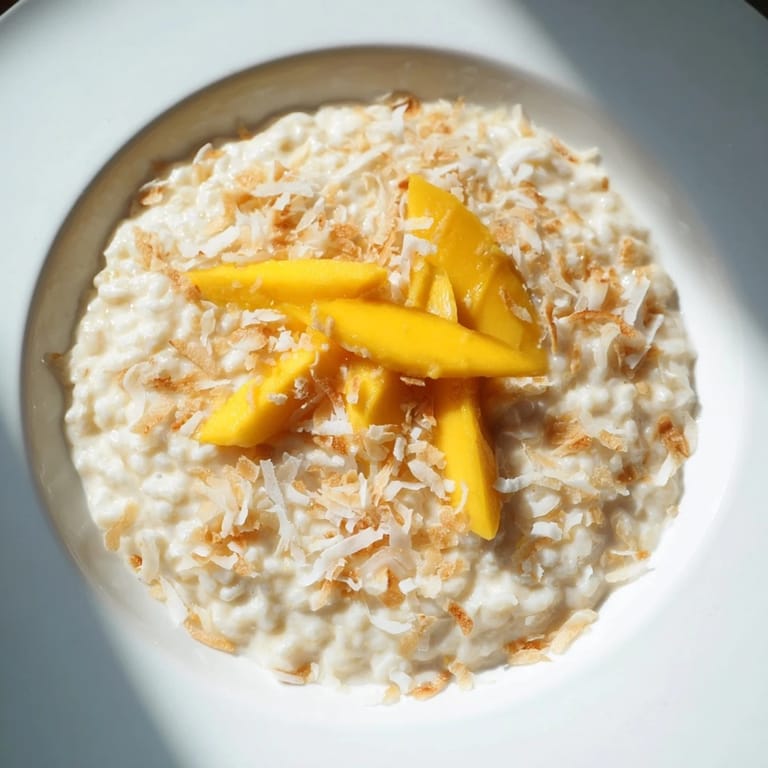 Save
Save This is the kind of recipe that doesn't ask for much but gives you something worth remembering. Make it once and you'll know exactly when the coconut is ready and how the rhythm of stirring becomes almost meditative.
Common Questions
- → What type of rice works best?
Short-grain rice like Arborio is ideal for a creamy texture, but other short-grain varieties can substitute well.
- → Can I use a dairy-free milk alternative?
Yes, unsweetened almond milk or additional coconut milk can replace whole milk for dairy-free options.
- → How do I toast the shredded coconut?
Toast shredded coconut in a dry skillet over medium heat, stirring frequently until golden and fragrant, about 3 minutes.
- → How long should I cook the rice mixture?
Simmer the rice gently for 30-35 minutes, stirring often until the rice is tender and the mixture is creamy.
- → What toppings complement this dish?
Toasted coconut flakes and fresh tropical fruits like mango or pineapple add texture and bright flavors.
- → Can the sweetness be adjusted?
Yes, increase or decrease granulated sugar or add honey to achieve your preferred sweetness level.