 Save
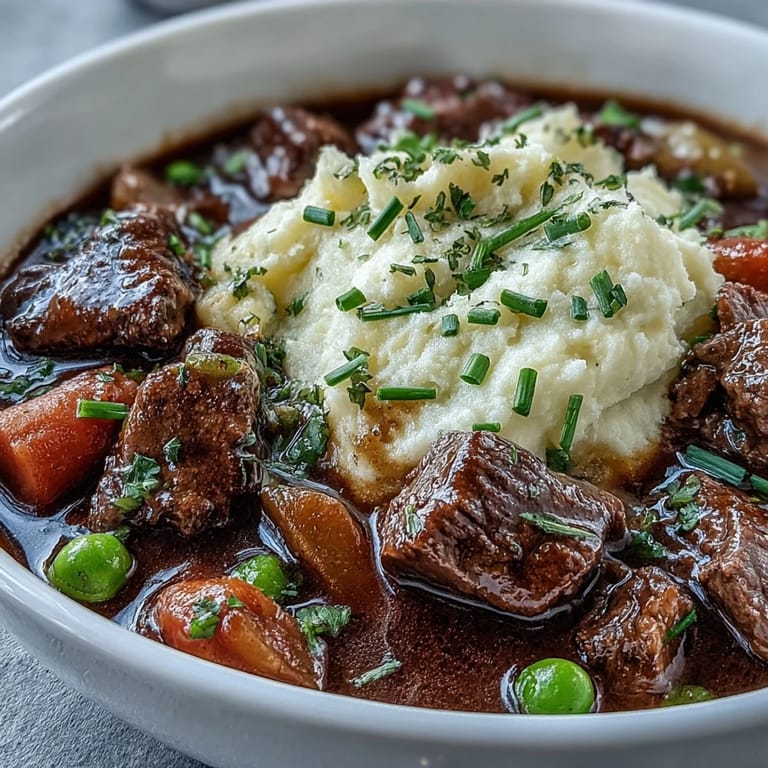
Save My cousin texted me last winter asking if I'd made anything that felt like home but didn't leave her sluggish afterward. That's when this stew came to mind, except I realized the traditional version she grew up with was basically a butter delivery system. So I started tinkering, keeping the soul of Irish comfort food while swapping out the heavy potatoes for cauliflower. The first time I served it, she took one spoonful and just stopped talking for a moment, which in my family is the highest compliment you can get.
There's something about a pot of stew simmering on the stove that fills a kitchen with this quiet kind of confidence. I made this for my friend Sarah on a grey afternoon when she was going through a rough patch, and by the time it finished cooking, the smell alone had shifted the entire mood in her apartment. She ate two bowls and said it was the first time in weeks she'd actually tasted her food instead of just eating it. Those are the moments that made me fall in love with this recipe, honestly.
Ingredients
- Lean beef stew meat, 1 lb trimmed: Trimming the fat isn't just about being light, it's about letting the meat's real flavor shine through without the grease pooling on top of your spoon.
- Olive oil, 1 tbsp: Just enough to get a proper sear on the beef, which builds the foundation of flavor everything else sits on.
- Onion, carrot, celery: This trio is the backbone, and there's no skipping it, though I've learned that cutting the carrots slightly thicker helps them hold their shape through the long cooking time.
- Garlic, 3 cloves minced: Add it after the softer vegetables or it'll burn and taste bitter, a mistake I made more times than I'd like to admit.
- Low-sodium beef broth, 3 cups: Low-sodium lets you control the salt and means the meat's flavor doesn't get drowned out by sodium.
- Dry red wine, 1 cup: A decent wine you'd actually drink makes a real difference here, not the cheap stuff you hide in the back of the pantry.
- Tomato paste, 2 tbsp: This adds umami depth and a subtle sweetness that rounds out all the savory notes.
- Worcestershire sauce, 2 tsp: The secret ingredient nobody talks about but everyone tastes.
- Dried thyme and rosemary, 1 tsp each: These herbs are subtle enough not to overwhelm but assertive enough to make you feel that Irish countryside vibe.
- Bay leaves, 2: Remove them before serving, always, though I once forgot and my mother found one in her spoon and gave me that look.
- Salt and black pepper: Season in layers as you cook, not all at once at the end.
- Frozen peas, 1 cup: Frozen is actually better than fresh here because they hold their texture and won't become mushy during the long simmer.
- Cauliflower head, 1 large: Cut the florets roughly the same size so they cook evenly and turn equally creamy.
- Unsalted butter, 2 tbsp: Good butter makes the mash taste indulgent without heaviness.
- Low-fat milk or alternative, 2 tbsp: Just enough to loosen it into that cloud-like texture, not so much that it becomes soup.
- Fresh chives, optional: A tiny green flourish that makes it look intentional, not like you just scraped together leftovers.
Tired of Takeout? 🥡
Get 10 meals you can make faster than delivery arrives. Seriously.
One email. No spam. Unsubscribe anytime.
Instructions
- Pat and season your beef:
- Dry meat sears better than wet meat, so grab paper towels and actually dry each piece. Hit it with salt and pepper on all sides so the seasoning penetrates the meat, not just sits on the surface.
- Sear the beef in batches:
- Don't crowd the pot or you'll steam the meat instead of browning it, and browning is where the flavor lives. Listen for that satisfying sizzle when it hits the oil, and don't move the pieces around constantly.
- Soften the aromatic vegetables:
- Once the beef is out, add your onion, carrot, and celery to the same pot and let them get tender and slightly caramelized at the edges. This takes about 5 minutes and is worth the wait.
- Toast the garlic briefly:
- Add it for just 1 minute so it becomes fragrant but not scorched, which would make the whole stew taste burnt.
- Build the flavor base:
- Stir in tomato paste, thyme, rosemary, and bay leaves and let it all stick to the bottom of the pot for a minute. This caramelization step concentrates the flavors and deepens the color of the finished stew.
- Deglaze with wine:
- Pour in your red wine and use a wooden spoon to scrape up every brown bit stuck to the bottom of the pot, which is pure concentrated flavor. Let it simmer for a minute to cook off some of the alcohol.
- Return the beef and add broth:
- Nestle the meat back in, pour in the beef broth and Worcestershire sauce, then bring everything to a gentle simmer. This is when you cover the pot and let time do the work.
- Simmer low and slow:
- Keep the heat low so it's just barely bubbling, and stir occasionally to make sure nothing sticks to the bottom. After about 1 hour 15 minutes, the beef should be fork-tender.
- Add the peas and finish:
- Remove the lid, add the frozen peas right from the bag, and simmer for another 5 to 10 minutes just to heat them through. Taste and adjust the salt and pepper because now you can see the full picture.
- Make the cauliflower mash simultaneously:
- While the stew is simmering, cut your cauliflower into florets and boil them in salted water until they're very tender, almost falling apart. Drain them really well because watery mash is the enemy.
- Blend into creamy perfection:
- Transfer the drained cauliflower to a food processor with the butter and milk, then blend until it's completely smooth. If you don't have a food processor, a potato masher works but you'll have some tiny lumps, which honestly still tastes great.
- Serve warm and garnished:
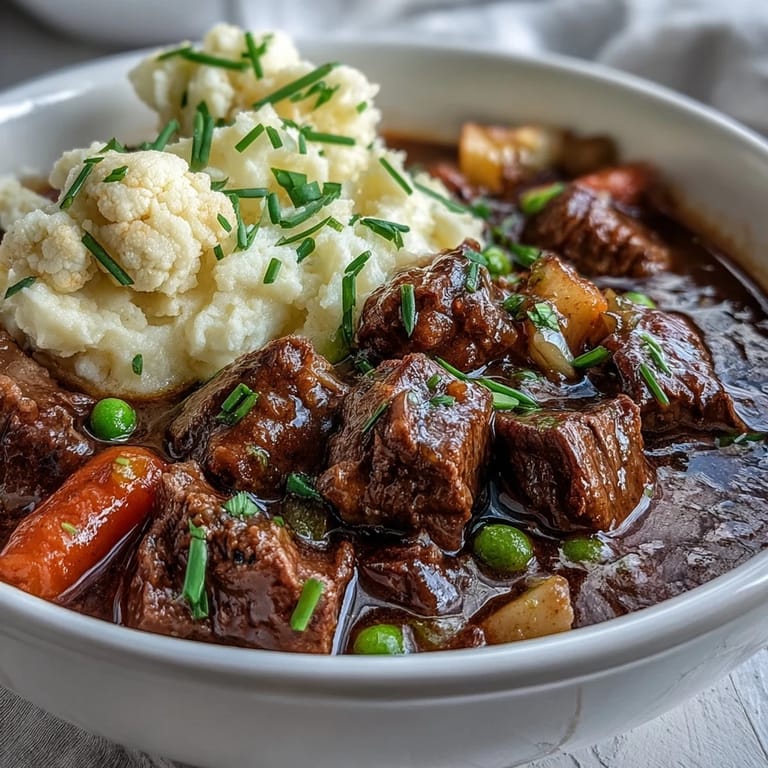
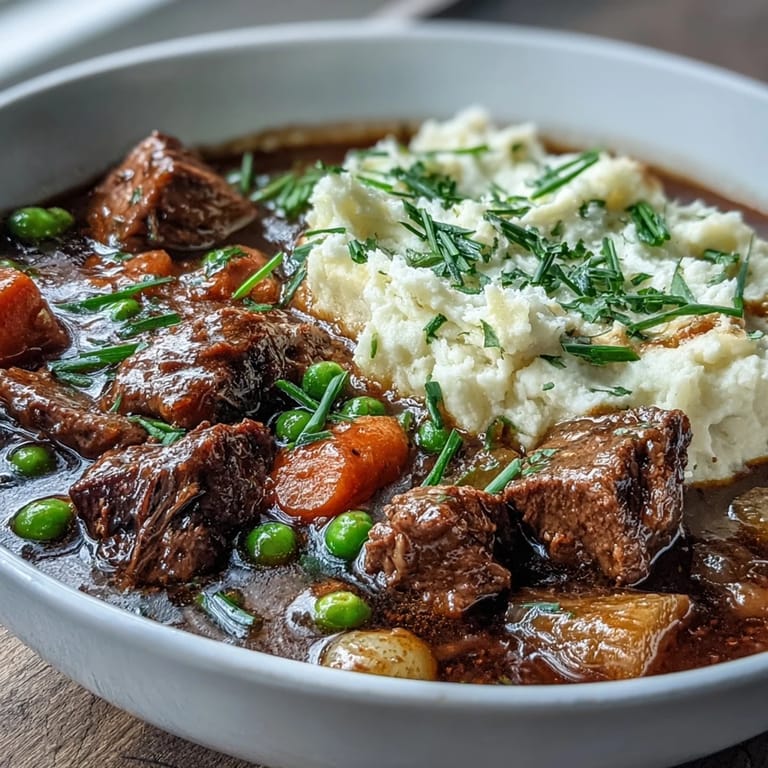
- Ladle the stew into bowls and pile a generous mound of cauliflower mash in the center, then sprinkle fresh chives on top if you have them. The warmth of the stew will soften the mash slightly, and they'll meld together into something greater than the sum of their parts.
 Save
Save My son came home from school one day and asked why his friends' houses smelled like nothing but this stew smelled like something, and I realized that's the power of building flavor intentionally. That's when I knew this recipe had crossed from being just a lighter version of something into being its own thing worth loving.
Why This Works Better Than You'd Expect
The trick is that removing the potatoes and replacing them with cauliflower doesn't make the dish lighter in soul, only in consequence. The cauliflower mash soaks up the stew's rich broth just like potatoes would, but it brings a subtle earthiness that complements rather than competes with the beef. You're not sacrificing flavor for nutrition, you're just being smarter about where your calories come from.
Customizing Without Losing the Plot
I've made this stew about twenty times now, and I've learned that you can swap ingredients without wrecking it. Guinness instead of wine adds a deep, slightly bitter richness that's very authentically Irish. Sweet potatoes instead of carrots shift the whole vibe toward something warmer and slightly sweeter, which works beautifully in fall and winter.
Pairing and Storing
Serve this with crusty bread for soaking up the broth, or keep it simple and just eat it as is. This stew freezes beautifully for up to three months, and it actually reheats better than it cooks the first time because the flavors have settled in.
- Make it the day before you want to serve it and refrigerate overnight so the flavors have time to deepen.
- If you're freezing it, leave the cauliflower mash for fresh the day you serve it, as frozen mash turns grainy when thawed.
- A light-bodied red wine or Irish ale on the side makes this feel like an intentional dinner, not just dinner.
 Save
Save This stew is proof that eating lighter doesn't mean eating less satisfying, it just means paying attention to what actually nourishes you. Make it and let it become your own thing.