 Save
Save My neighbor brought over a thermos of this soup on a cold Tuesday afternoon, and I still remember how the steam rose from the bowl while we sat on her porch talking about nothing in particular. That first spoonful hit different—the ham was savory but gentle, the beans had this creamy quality without any cream at all, and the herbs made it taste like someone actually cared about what they were making. I asked for the recipe that same day, and it's become the soup I make when I want something that feels both effortless and intentional.
I made this for my sister's book club last spring, and watching six people ask for seconds without prompting felt like winning something. The conversation flowed easy around the table, and I think part of that was because a warm, nourishing soup has a way of settling people into themselves. Now whenever she texts asking what to bring to a gathering, I suggest this soup because it's the kind of dish that makes people feel taken care of.
Ingredients
- Cooked ham, diced (2 cups): Use good quality ham if you can—it's the backbone of this soup, so pick something you'd actually enjoy eating on its own.
- Yellow onion (1 medium, diced): The onion becomes almost transparent and sweet as it cooks, forming the flavor base that everything else builds on.
- Carrots (2 medium, peeled and diced): Cut them roughly the same size as your onion pieces so everything cooks evenly and looks intentional.
- Celery stalks (2, diced): This is the holy trinity element—without it, the soup loses a subtle earthiness that's hard to describe but easy to miss.
- Garlic (3 cloves, minced): Don't skip the mincing step; garlic chunks have a bite that works against the soup's comfort factor.
- Cannellini beans (2 cans, drained and rinsed): Rinsing them removes the starchy liquid and keeps your broth from becoming cloudy and thick in an unpleasant way.
- Low-sodium broth (6 cups): Start with low-sodium so you can taste and adjust—oversalted soup is harder to fix than undersalted.
- Fresh parsley (2 tbsp, chopped): Add this right at the end when the soup is off the heat; fresh herbs lose their brightness if they cook too long.
- Fresh thyme (1 tbsp, chopped): If you only have dried, use one-third the amount—dried herbs are more concentrated and can easily overpower.
- Fresh rosemary (1 tbsp, finely chopped): Rosemary is assertive, so don't be tempted to add more; it should be a note, not the main event.
- Bay leaf (1): Fish it out before serving, or warn people—biting into a bay leaf is like finding a surprise in your soup that nobody wanted.
- Black pepper and salt: Taste as you go, especially after adding the herbs, since they bring their own subtle saltiness.
- Olive oil (2 tbsp): Use a good oil you enjoy—it's one of the few fats in the entire pot, so let it matter.
Tired of Takeout? 🥡
Get 10 meals you can make faster than delivery arrives. Seriously.
One email. No spam. Unsubscribe anytime.
Instructions
- Start with the oil and aromatics:
- Heat your olive oil over medium heat until it shimmers slightly, then add the onion, carrots, and celery. Let them cook for about five to seven minutes, stirring every minute or so—you're looking for them to soften and turn golden at the edges, which is when their natural sweetness really starts to show.
- Bloom the garlic:
- Once your vegetables are soft, add the minced garlic and let it cook for just one minute, stirring constantly so it doesn't stick to the bottom and burn. You'll know it's ready when the whole pot smells like a good kitchen should smell.
- Add the ham:
- Toss in your diced ham and stir it around for about two minutes, letting it warm through and release a little of its salty, savory flavor into the oil. The ham doesn't need to cook much since it's already cooked; you're just waking it up.
- Build the broth base:
- Pour in your broth, add the drained cannellini beans, drop in the bay leaf, and season with salt and pepper. Stir everything together, then turn up the heat and let it come to a boil—you'll see the surface shimmer and little bubbles start breaking through.
- Simmer low and slow:
- Once it boils, turn the heat down to low and let it simmer uncovered for about thirty minutes. The soup won't change dramatically—it will just become more flavorful as everything melds together and the broth gets richer.
- Finish with fresh herbs:
- Remove the bay leaf, then stir in your fresh parsley, thyme, and rosemary and let everything simmer for just two or three more minutes. Taste it now—this is your moment to add more salt or pepper if it needs it, and it probably will.
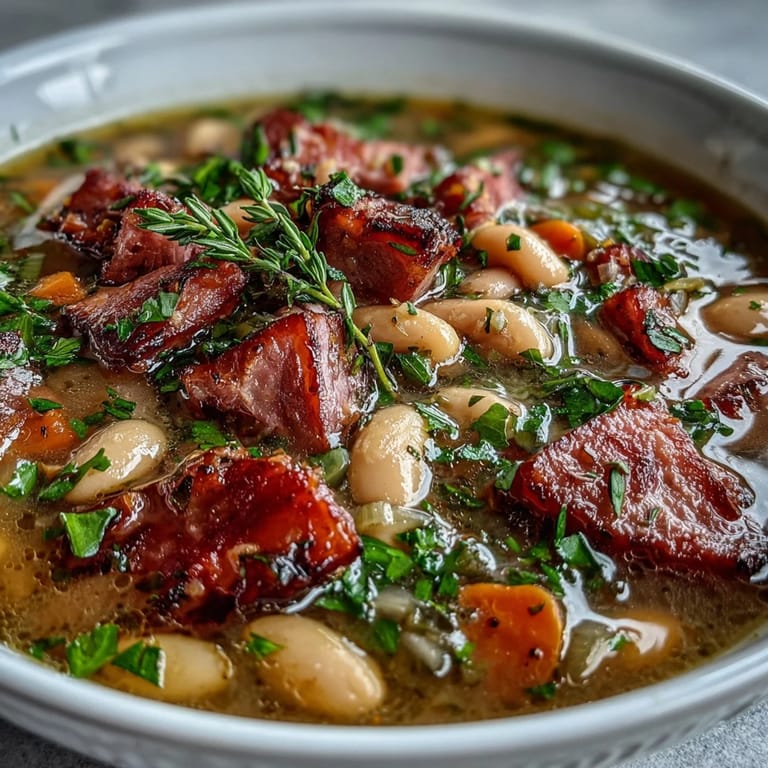 Save
Save There's something about serving a soup that makes people trust you a little more, like you've proven something about yourself just by bringing something hot and nourishing to the table. This one has a way of becoming tradition before you plan it that way.
Playing with Flavor Balance
The beauty of this soup is that it sits in a comfortable middle ground—hearty enough to feel substantial, but light enough that it doesn't leave you feeling weighed down. If you find yourself wanting more depth, don't jump straight to adding cream; instead, try mashing more of those beans to create a natural richness that tastes less like a shortcut and more like intention.
Making It Your Own
This recipe is forgiving in the best way, which is why it works as a template for whatever you have on hand. I've made it with Great Northern beans when I didn't have cannellini, and I've swapped rosemary for sage when my rosemary plant had gotten out of control. The structure stays the same, but the personality changes based on what you choose.
Serving and Storage Wisdom
This soup actually gets better after a day or two in the refrigerator as the flavors deepen and marry together, which makes it perfect for meal prep or bringing to someone who just needs a little care. I store it in glass containers and it keeps beautifully for about four days, and it reheats gently without any fussing around.
- Serve it in whatever bowl feels right to you—this is comfort food, not fancy food, so ceramic or stoneware feels perfect.
- Fresh crusty bread and a green salad turn this soup into a complete meal that feels generous without being heavy.
- If you're making it for guests, prep everything the morning of so you're just cooking, not stressing, when they arrive.
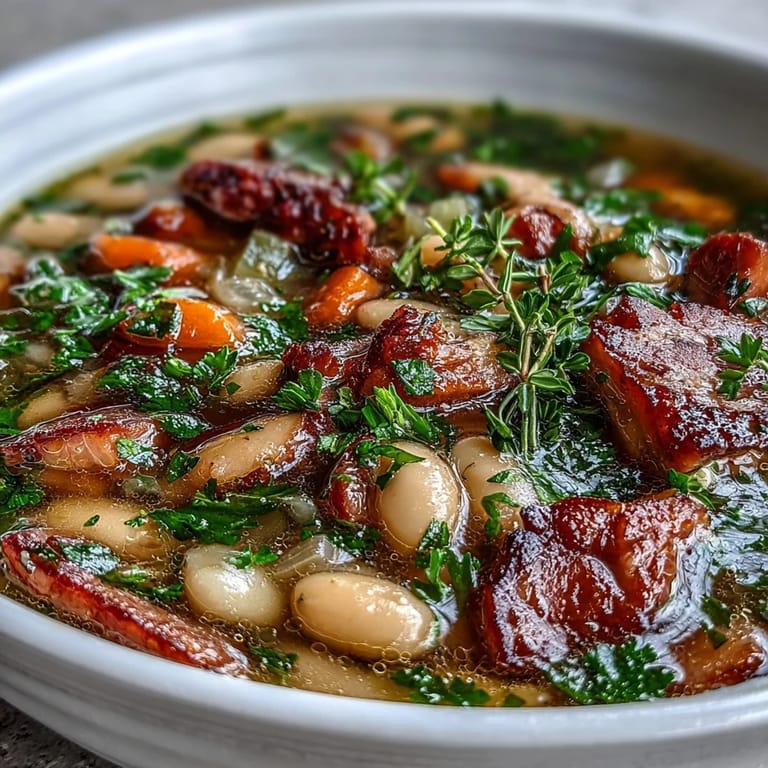 Save
Save This soup has become my answer to questions I didn't even know I was asking—what to cook when I want comfort but not fuss, what to make for people I care about, what to eat when everything else feels too complicated. That's the real recipe here.
Common Questions
- → Can I use other beans instead of cannellini beans?
Yes, navy beans or Great Northern beans are excellent substitutes and provide a similar creamy texture and mild flavor.
- → How can I enhance the soup’s creaminess?
Mash some of the beans against the pot's side before serving to create a thicker, creamier texture.
- → Is it necessary to use fresh herbs?
Fresh parsley, thyme, and rosemary add bright, vivid flavors, but dried herbs can be used with adjusted quantities for convenience.
- → What type of broth works best for this soup?
Low-sodium chicken or vegetable broth complements the flavors without overpowering the delicate herbs and beans.
- → Can this dish be prepared ahead of time?
Yes, flavors deepen after resting. Store in the refrigerator and gently reheat, adding a splash of broth if needed.