 Save
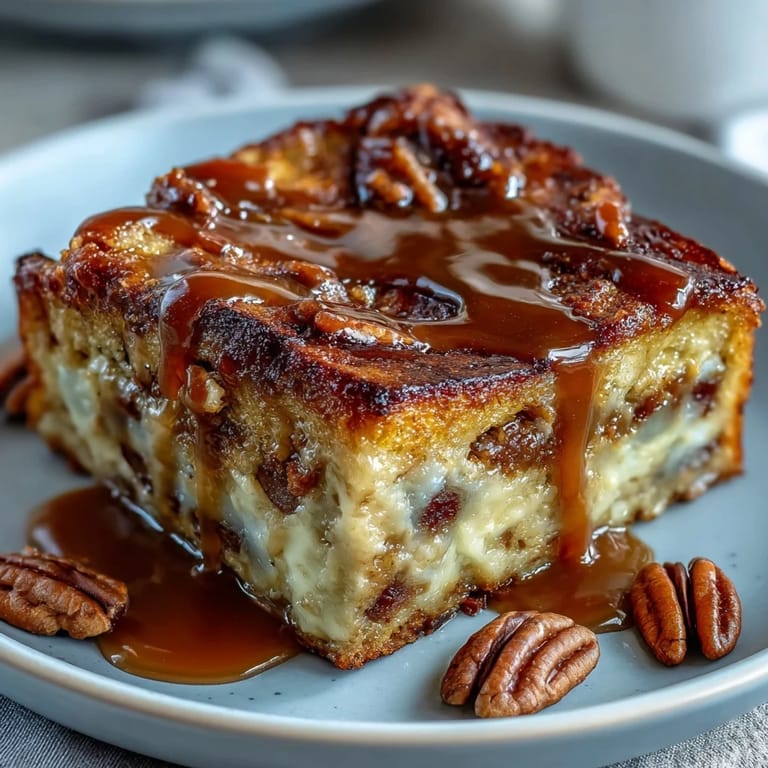
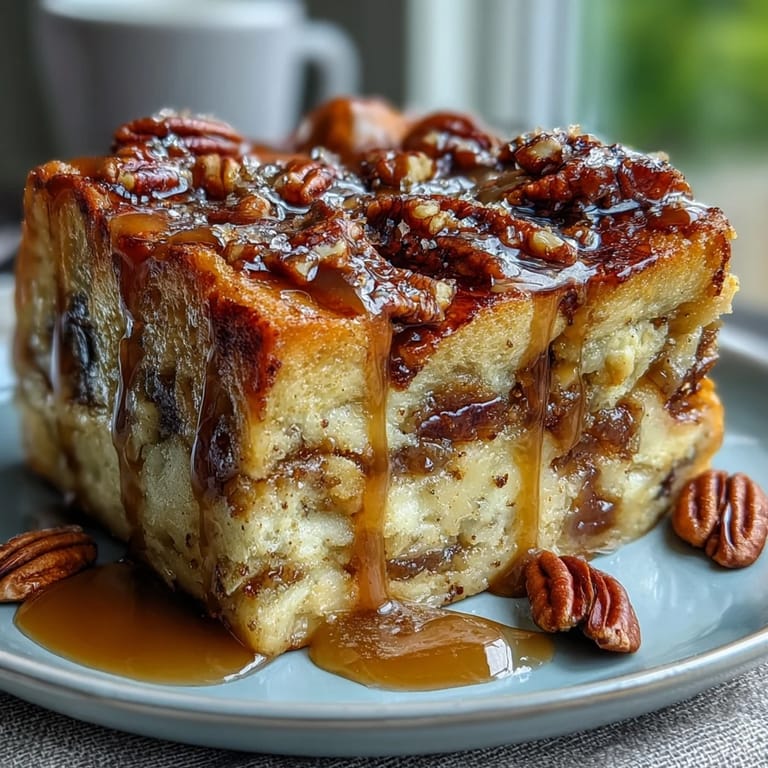
Save A friend visiting from San Juan brought a tin of guava paste to my kitchen one autumn afternoon, and I found myself staring at it while mentally scrolling through desserts that could carry such a bold flavor. Bread pudding seemed obvious enough, but the real spark came when I realized caramel would bridge that tangy-sweet tension perfectly, creating something neither entirely tropical nor entirely classic. That first batch—made on a whim with pecans I happened to have—turned into the kind of dessert people ask about months later. The way the guava cubes softened into the custard, how the caramel pooled in golden streaks, it felt like discovering a recipe that had been waiting for me to make it.
I made this for a dinner party where someone mentioned they were tired of the same old desserts, and watching their face light up when they took that first spoonful—catching the caramel thread, hitting the softened guava—reminded me why cooking for others matters. My partner kept sneaking bites straight from the baking dish while it cooled, which meant I had to make an extra one the following week just to have leftovers that actually lasted more than a day.
Ingredients
- Day-old brioche or challah, cubed (8 cups, about 300 g): Stale bread absorbs the custard without disintegrating, creating that perfect tender crumb; fresh bread will turn to mush, so plan ahead or dry yours out in a low oven.
- Whole milk (2 cups / 480 ml): The foundation of your custard, providing richness without overwhelming the other flavors.
- Heavy cream (1 cup / 240 ml): This is what makes every spoonful luxurious and prevents the pudding from feeling dry.
- Large eggs (4): They bind everything together and give the pudding its signature custardy texture.
- Granulated sugar (1/2 cup / 100 g): Balance this against the tartness of the guava; don't skip it thinking the caramel will do the sweetening.
- Vanilla extract (2 tsp): A subtle anchor that lets the guava and caramel shine without competing.
- Salt (1/4 tsp): One tiny pinch that amplifies every other flavor in the dish.
- Guava paste, cubed (1 cup / 300 g): The soul of this dessert; buy the good quality stuff because it's worth it, and cut it into small cubes so it distributes evenly.
- Caramel sauce (1/2 cup / 120 ml, plus extra for drizzling): Use store-bought or homemade; just make sure it's smooth enough to drizzle without hardening.
- Chopped pecans (3/4 cup / 85 g): Toast them lightly before adding if you want them to taste even more like toasted pecans.
- Unsalted butter, melted (2 tbsp / 28 g, plus more for greasing): Grease your dish generously so the edges release cleanly and don't stick.
Tired of Takeout? 🥡
Get 10 meals you can make faster than delivery arrives. Seriously.
One email. No spam. Unsubscribe anytime.
Instructions
- Heat and grease:
- Preheat your oven to 350°F (175°C) and butter that 9x13-inch baking dish like you mean it, getting into the corners and up the sides. This prevents sticking and creates golden-brown edges that are honestly one of the best parts.
- Build your custard:
- Whisk together the milk, cream, eggs, sugar, vanilla, and salt in a large bowl until completely smooth and well combined. Take your time here—you're not aerating, just making sure everything is evenly incorporated.
- Soak the bread:
- Add your cubed bread to the custard and gently stir until every piece is coated, then let it sit for 10 minutes so the bread can drink it all in. It'll look wet and loose now, but trust the process.
- Fold in the flavor:
- Gently fold the guava paste cubes and half the pecans into the soaked bread mixture, being careful not to crush the bread into smithereens. The goal is marbled texture, not bread soup.
- Layer with intention:
- Pour half the bread mixture into your prepared dish, drizzle with half the caramel sauce, then add the remaining bread mixture on top and finish with the last of the caramel. The drizzle pattern matters aesthetically and ensures caramel in every bite.
- The final touch:
- Sprinkle the remaining pecans over the top and drizzle melted butter across the surface to encourage browning. This creates that gorgeous golden-brown crown.
- Bake until set:
- Slide it into the oven for 40–45 minutes until the center barely jiggles when you nudge the dish and the top is golden brown. If the top starts browning too fast, toss a piece of foil over it loosely.
- Rest and serve:
- Let it cool for a few minutes so the custard sets slightly, then serve warm with extra caramel drizzled over each portion. The warmth brings out all those wonderful flavors.
 Save
Save The moment that sealed this recipe's place in my regular rotation came during a quiet weeknight when I was eating leftovers straight from the fridge at midnight, and somehow it tasted even better cold—the caramel had set slightly, the guava flavor had deepened, the custard had become almost mousse-like. That's when I knew this wasn't just a dinner party dessert; it was the kind of thing that deserved to exist in your kitchen whenever you needed comfort in a spoon.
Why Guava and Caramel Work So Well Together
Guava brings a bright, almost tart edge that caramel's deep sweetness naturally complements, like they were always meant to be in the same dessert. The tartness cuts through richness in a way that keeps you wanting another bite instead of feeling weighed down, which is the magic of pairing tropical and classic flavors. I've tried this with other stone fruits or even straight custard, and nothing hits quite like this combination.
Making This Dessert Your Own
The skeleton of this recipe is flexible enough to handle additions without falling apart. Shredded coconut stirred into the custard adds island vibes, a pinch of cinnamon brings warmth, or swapping the pecans for walnuts, almonds, or even macadamia nuts changes the personality entirely. The guava paste is really the only element I wouldn't mess with because it's what makes this feel special rather than like a standard bread pudding.
Serving Suggestions and Make-Ahead Tips
This dessert is genuinely better when you assemble it a few hours ahead, cover it loosely, and bake it just before serving—the flavors meld and the bread absorbs custard more evenly. It pairs beautifully with vanilla ice cream, whipped cream, or even a drizzle of rum if your crowd is into that sort of thing.
- You can assemble the entire dish the night before, cover it tightly, refrigerate it, and bake it straight from cold—just add 5 minutes to the baking time.
- Leftovers keep for 3 days covered in the fridge and honestly taste better reheated gently in a 300°F oven for 10 minutes.
- If you're making this for a crowd, the recipe doubles perfectly in a 9x13 and 8x8 dish, baked side by side.
 Save
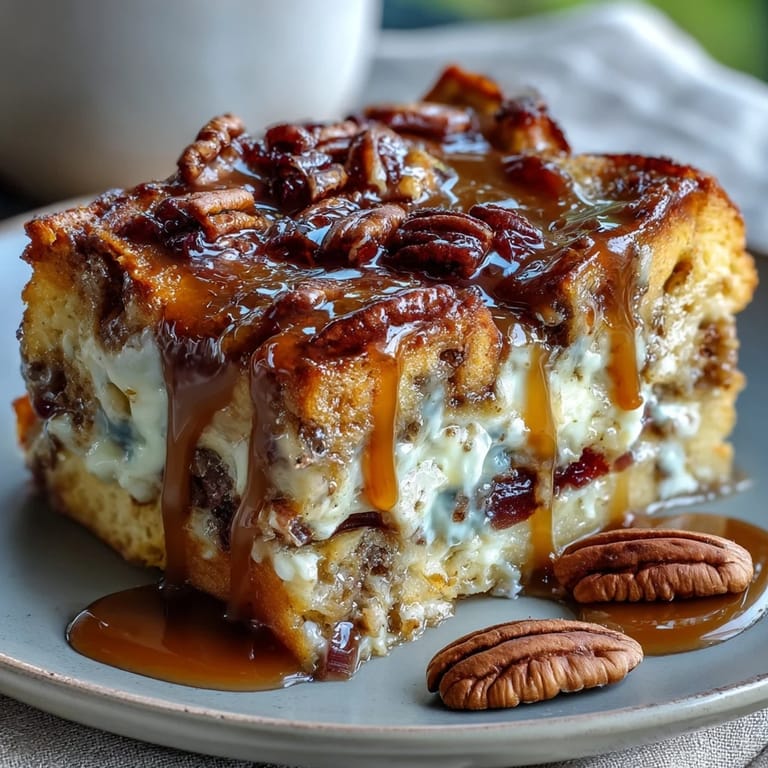
Save This bread pudding exists in that perfect space where it feels fancy enough for a dinner party but comforting enough for a Tuesday night craving. Every time you make it, you're creating something that tastes like you spent hours in the kitchen when really you just trusted a few good ingredients to do their thing.
Common Questions
- → Can I use fresh guava instead of paste?
Guava paste works best as it holds its shape during baking and provides concentrated sweetness. Fresh guava would release too much liquid and make the dessert soggy.
- → What bread works best for this?
Brioche or challah are ideal because their rich, eggy structure absorbs custard beautifully while maintaining texture. Day-old bread helps prevent the dish from becoming too dense.
- → Can I prepare this ahead of time?
Yes, assemble everything the night before and refrigerate unbaked. Let it sit at room temperature for 30 minutes before baking, adding a few extra minutes to cook through if needed.
- → How do I store leftovers?
Cover tightly and refrigerate for up to 4 days. Reheat individual portions in the microwave or warm the entire dish in a 325°F oven until heated through.
- → Can I make this dairy-free?
Substitute coconut milk for whole milk, coconut cream for heavy cream, and use plant-based butter. The flavor profile will change slightly but remain delicious.
- → Why is my pudding still runny after baking?
This usually means it needs more time. The center should jiggle slightly like gelatin when done, not be liquid. If the top browns too quickly, tent with foil and continue baking.