 Save
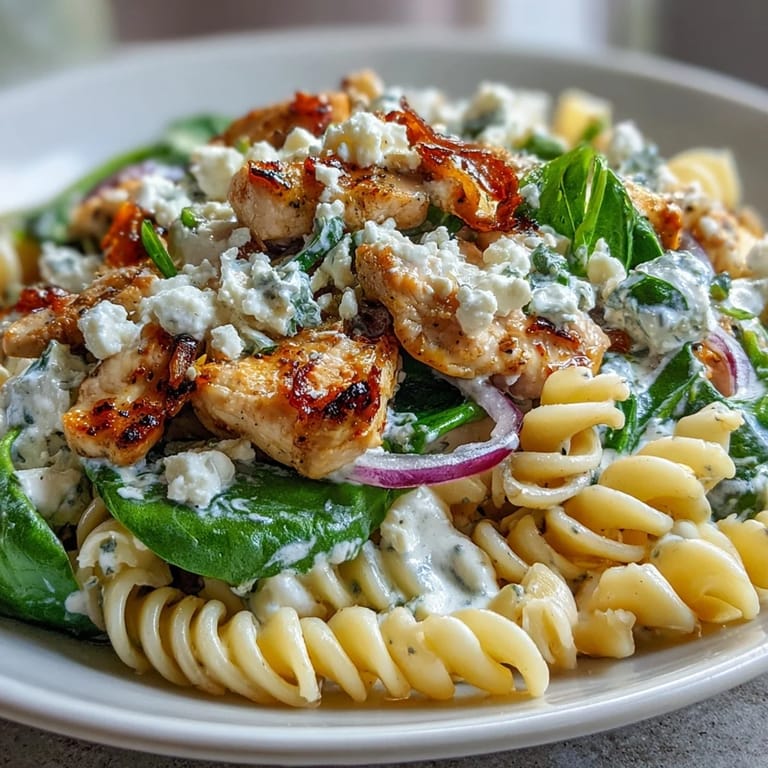
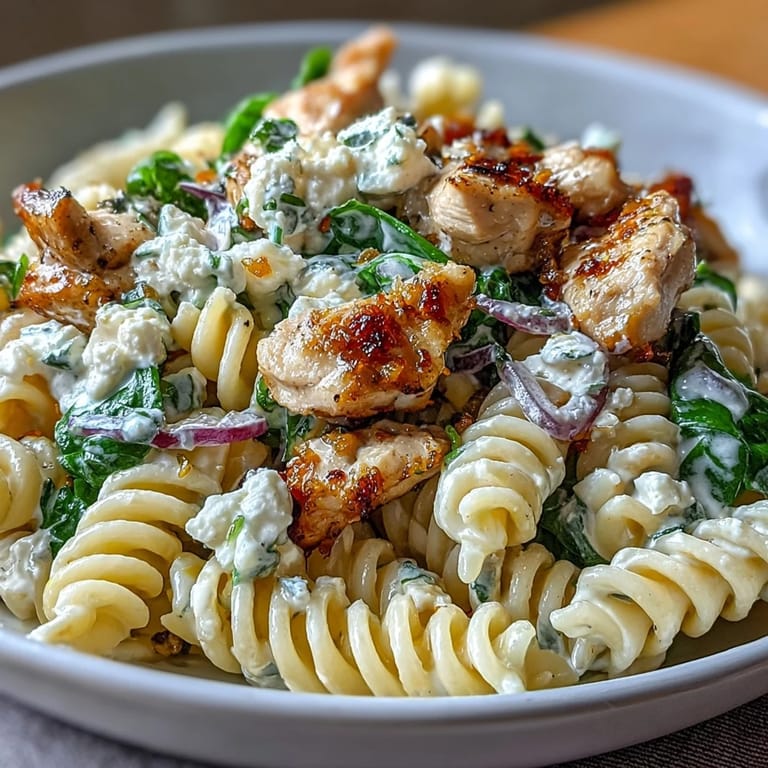
Save There's something about the smell of lemon zest hitting a hot skillet that makes you feel instantly transported—like you've just unlocked a shortcut to the Mediterranean without leaving your kitchen. I stumbled onto this recipe during a Tuesday night when I had chicken, yogurt, and an abundance of spinach staring back at me from the fridge, and what emerged was this creamy, tangy one-pan wonder that somehow tasted like I'd been cooking it for hours. The beauty is in its simplicity: tender chicken, bright lemon, salty feta, and a yogurt sauce that comes together without any pretense. My family has requested it so many times since that first accidental creation that it's become our default answer to "what's for dinner?"
I made this for my neighbor last summer when she was going through a rough patch, and watching her expression when she tasted that first bite—the way her shoulders relaxed—reminded me that food really does have healing power. She asked for the recipe before she'd even finished her plate, and now she texts me photos of her versions with different vegetables. That's when I knew this wasn't just my dinner solution; it had become something that connected us.
Ingredients
- Boneless, skinless chicken breast: Cut into bite-sized pieces so they cook evenly and absorb all that gorgeous sauce—I learned this the hard way after serving unevenly cooked chunks to disappointed guests.
- Short pasta (penne, fusilli, or rigatoni): The shape matters because those little tubes and ridges catch the creamy sauce, making every bite count.
- Feta cheese: Crumbled fresh feta has a tanginess that processed blocks can't match, and it softens beautifully into the warm sauce without completely melting away.
- Plain Greek yogurt: This is your secret weapon for creaminess without heaviness—it adds richness while keeping things bright and Mediterranean.
- Fresh baby spinach: It wilts in seconds, so add it near the end to keep those vibrant emerald notes both visually and nutritionally intact.
- Red onion, garlic, lemon zest and juice: These three build the aromatic foundation that makes people pause mid-bite and ask what's in this.
- Low-sodium chicken broth: This is your binding agent, though you'll reserve pasta water too as a backup for adjusting consistency.
- Olive oil: Use a good quality oil you'd actually taste—it's the foundation of Mediterranean cooking and shouldn't be an afterthought.
- Dried oregano and dill: Oregano is the workhorse here, while dill adds a whisper of anise that feels unexpected and right.
- Crushed red pepper flakes: Optional but worth keeping nearby for those who like heat without overwhelming the delicate balance of flavors.
Tired of Takeout? 🥡
Get 10 meals you can make faster than delivery arrives. Seriously.
One email. No spam. Unsubscribe anytime.
Instructions
- Start your pasta:
- Get a large pot of salted water boiling while you prep everything else—this is your anchor point, and having it going means the timing naturally falls into place. Reserve that 1/2 cup of starchy pasta water before draining; it's liquid gold for adjusting your sauce later.
- Sear the chicken:
- Heat olive oil in your large skillet over medium-high heat until it shimmers, then add the chicken pieces seasoned with salt, pepper, oregano, and dill. Let them sit undisturbed for a couple minutes to develop that golden crust, then stir and cook another 3–4 minutes until cooked through.
- Build the aromatics:
- Remove the cooked chicken to a plate and add your sliced red onion to the same skillet—it'll pick up all those browned bits and caramelize slightly. After 2–3 minutes, add minced garlic and cook just until fragrant, maybe 30 seconds, so it doesn't burn.
- Wilt the spinach:
- Toss in your fresh baby spinach and stir constantly for about a minute until it collapses into tender ribbons. This quick sauté softens it while keeping that bright green color.
- Bring it together:
- Lower heat to medium-low, then add your drained pasta back to the skillet along with the chicken, lemon zest, lemon juice, and chicken broth. Stir everything gently so the flavors mingle and the pasta heats through without breaking apart.
- Create the creamy sauce:
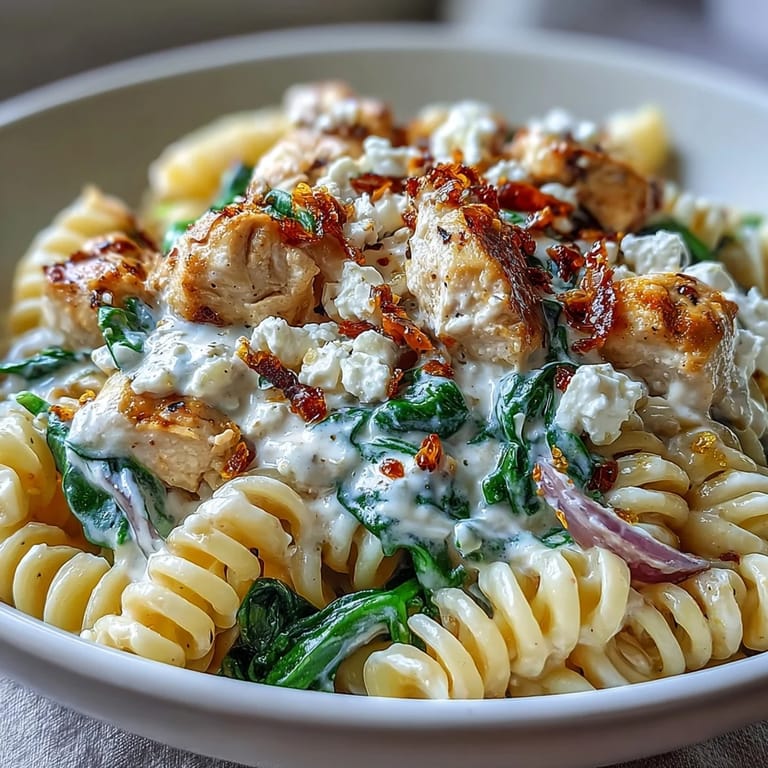
- Remove from heat—this is important—then fold in your Greek yogurt and crumbled feta gently so they don't break down or separate. If the sauce feels too thick, add reserved pasta water a splash at a time until you reach that silky consistency.
- Taste and adjust:
- Add more salt, pepper, and those optional red pepper flakes if you want a bit of heat, then serve immediately while everything's still warm and creamy.
 Save
Save There was this moment last winter when my six-year-old took a bite and said, "This tastes like vacation," and I realized I'd somehow translated a feeling—that warm, sun-soaked ease of the Mediterranean—into a weeknight dinner that took less time than a Netflix episode. That's when food stops being just sustenance and becomes a small daily magic.
Timing Is Everything
The rhythm of this dish matters because you want the pasta finishing right as your sauce comes together, not sitting in a cold pan or mushy and overcooked. Start the pasta first, then begin prepping your chicken and vegetables while it cooks—by the time you're sautéing the onions and garlic, your pasta water should be ready to drain. This natural pacing means everything arrives at the skillet at exactly the right moment, hot and ready to marry into something greater than the sum of its parts.
The Sauce Is Your Canvas
The yogurt-feta combination creates a base that's forgiving and versatile, which is why this recipe has become my template for nights when I have different ingredients on hand. Kalamata olives add a briny punch, sundried tomatoes bring concentrated sweetness, or fresh dill instead of dried creates an entirely different herb profile that still feels right. Think of the sauce as your collaborator—it welcomes additions without demanding them, which is the mark of a truly livable recipe.
Make It Your Own
I've made this with arugula when spinach wasn't available, and honestly, the peppery bite was a revelation that changed how I think about this dish. Whole-wheat pasta adds a nuttiness that pairs beautifully with the lemon and feta, while gluten-free versions work just as well if you're feeding someone with dietary needs. The skeleton of this recipe is strong enough to carry all kinds of variations.
- Add roasted red peppers or cherry tomatoes for color and sweetness without changing the fundamental flavor balance.
- A handful of pine nuts toasted in the skillet before adding the pasta adds texture and a subtle richness that feels special.
- Fresh dill and mint scattered over individual bowls at the table brighten each bite with unexpected herbal notes.
 Save
Save This recipe has become my answer to the question, "How do you make restaurant-quality food on a Tuesday night without losing your mind?" It's proof that the best meals don't require complexity—just good ingredients, a little timing, and the willingness to let simple flavors shine.
Common Questions
- → Can I make this ahead of time?
Yes, you can prepare the components ahead. Cook the pasta and chicken in advance, then store them separately. When ready to serve, reheat gently in the skillet, adding the yogurt and feta at the end to prevent the sauce from separating.
- → What pasta shapes work best?
Short pasta shapes like penne, fusilli, or rigatoni are ideal because their ridges and curves hold the creamy yogurt sauce well. The texture complements the tender chicken and wilted spinach beautifully.
- → Can I use regular yogurt instead of Greek yogurt?
Greek yogurt is recommended because its thicker consistency creates a creamier sauce. Regular yogurt can work but may result in a thinner consistency. If using regular yogurt, consider reducing the chicken broth slightly.
- → How do I prevent the yogurt from curdling?
Always remove the skillet from heat before stirring in the Greek yogurt. Adding it while the pan is too hot can cause separation. Fold it in gently off the heat for the creamiest results.
- → What can I substitute for chicken breast?
Chicken thighs work excellently and add extra juiciness. For a lighter version, you could also use turkey breast. The cooking time remains similar for all poultry options.
- → Is this freezer-friendly?
The finished dish is best enjoyed fresh, as the yogurt sauce may separate upon freezing. However, you can freeze the cooked chicken and pasta separately, then make the sauce fresh when ready to serve.