 Save
Save The aroma of freshly baked cake always seems to fill the house with a subtle sense of anticipation, but the first time I made a Graduation Sheet Cake, the kitchen was alive with bustling energy and laughter. There was music blaring in the background, a stack of piping bags ready to go, and an eager crowd peeking in for sneak previews of the rose-covered masterpiece. Butter splattered, and someone managed to spill a packet of food coloring, turning the counter a vibrant shade of magenta. Those little imperfections are what make celebrations memorable. I had never piped buttercream roses before, so each one felt like a tiny milestone.>
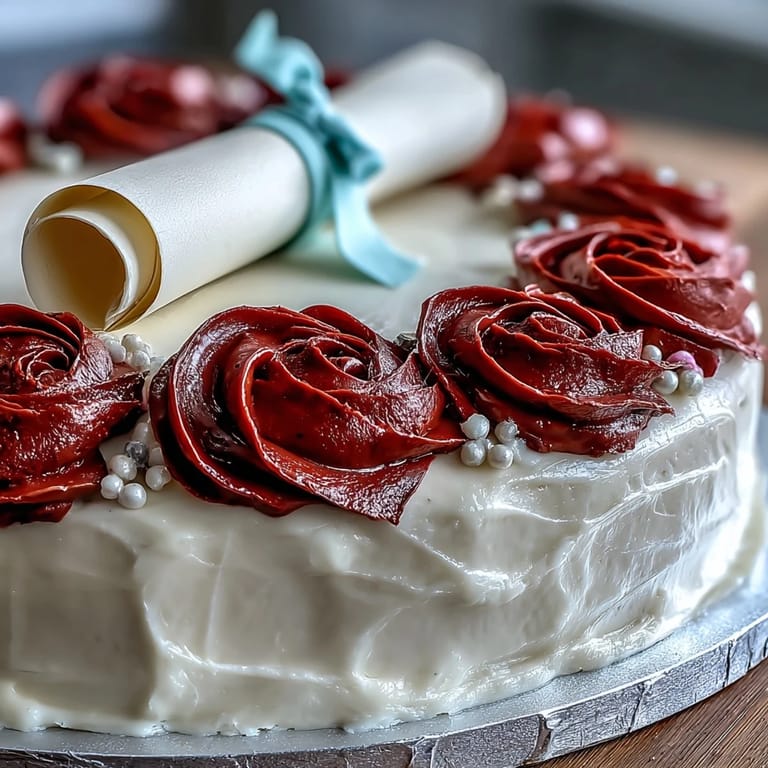
The last time I baked this sheet cake, my cousin’s living room morphed into a bakery for the afternoon, with family gathered around the table as I piped buttercream roses while my aunt shaped fondant diplomas. We joked about our less-than-perfect piping skills and ended up laughing over lopsided leaves, but by the end, the cake looked stunning. It was the kind of hands-on group activity that brought everyone together, and the taste justified all our efforts. Serving slices felt like handing out edible diplomas—each piece a small celebration.>
Ingredients
- All-purpose flour: Gives the cake structure and helps it hold shape; measure carefully so your cake turns out soft, not dense.
- Granulated sugar: Sweetens every bite and creates that perfect crumb; I always give it a quick stir to prevent lumps.
- Unsalted butter: Both in cake and frosting, it adds richness and smoothness; let it come fully to room temperature for easy creaming.
- Whole milk: Makes the cake moist and balances the sweetness; room temperature milk blends in smoothly.
- Large eggs: Bind the ingredients and contribute to a tender cake; crack them into a separate bowl to catch any shells.
- Vanilla extract: Brings depth to both cake and frosting; use pure vanilla if you can for best flavor.
- Baking powder: Ensures your cake rises evenly; always check the expiration date before baking.
- Salt: Rounds out flavors so the cake isn't overly sweet; a little goes a long way.
- Powdered sugar: Makes the frosting cloudlike and smooth; sift first to avoid lumps in buttercream.
- Whole milk or heavy cream: Helps create creamy frosting; heavy cream makes it especially luscious.
- Food coloring (gel preferred): Delivers vibrant hues without thinning the frosting; start with a little and build up for the right shade.
- Edible gold or silver pearls: Adds festive sparkle; place them gently with tweezers to avoid smudging the frosting.
- Fondant or white chocolate: Lets you sculpt diploma decorations; knead fondant well for a smooth finish.
Tired of Takeout? 🥡
Get 10 meals you can make faster than delivery arrives. Seriously.
One email. No spam. Unsubscribe anytime.
Instructions
- Prepare Your Pan:
- Grease and line the sheet cake pan with parchment so you won't be wrestling with stuck cake later. Brushing the edges with butter guarantees effortless unmolding.>
- Mix Butter and Sugar:
- Beat them together until pale and fluffy, listening for that soft whir from the mixer; it should look like whipped cream when done.>
- Incorporate Eggs and Vanilla:
- Add eggs one by one, scraping the bowl after each—if you spill a little, it's all part of the fun—and pour in the vanilla for a fragrant lift.>
- Combine Dry Ingredients:
- Whisk flour, baking powder, and salt until blended; the baking powder's gentle fizz means it's fresh and ready.>
- Alternate Flour and Milk:
- Add dry ingredients in thirds, alternating with milk, starting and ending with flour; stir gently, watching for a smooth, even batter.>
- Bake:
- Pour batter into your prepared pan, smoothing the top, then bake until golden and the center springs back when pressed; the room will smell heavenly during this step.>
- Cool Completely:
- Let the cake rest in the pan for ten minutes, then transfer to a rack, resisting the urge to decorate too early.>
- Make Buttercream:
- Whip butter until creamy, then slowly add powdered sugar, vanilla, and milk; adjust until it's velvety and pipeable, tasting for sweetness as you go.>
- Tint and Prep Frosting:
- Split your buttercream into bowls, coloring each for roses, leaves, and the diploma; blend until the hues are just right for your celebration.>
- Frost the Cake:
- Spread a thick layer of white buttercream over the cooled cake with an offset spatula, smoothing as best as you can; mistakes can be hidden later.>
- Pipe Roses and Leaves:
- Fit a piping bag with a rose tip and swirl out buttercream roses in your chosen colors, then add green leaves, no two alike.>
- Craft Diploma:
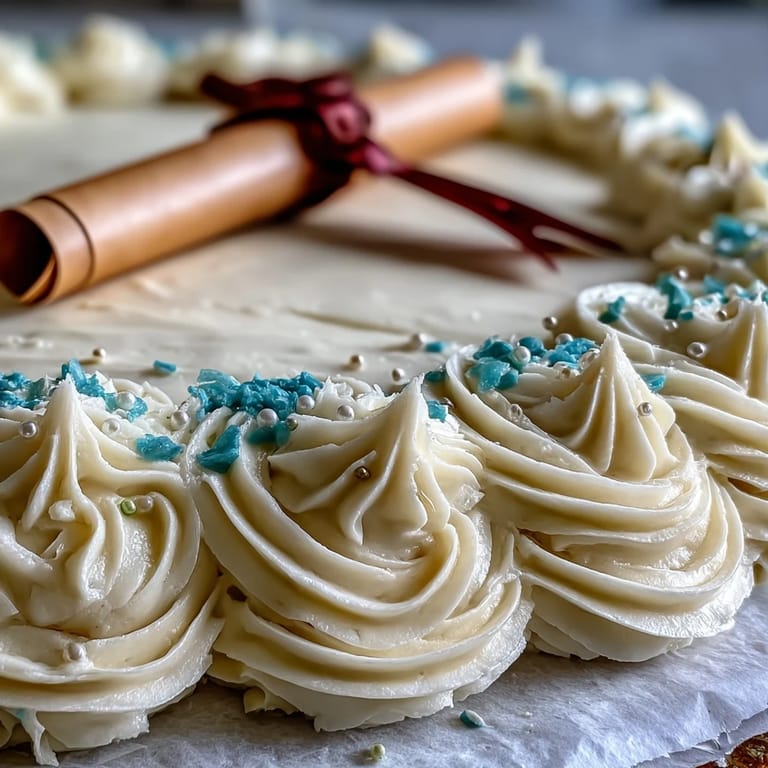
- Shape fondant or white chocolate into a scroll, tie with a ribbon, and nestle it atop the cake; it's the star of the show.>
- Add Accents:
- Scatter edible pearls and extra details, placing them with care—these little touches shimmer in the light and delight guests.>
 Save
Save Seeing the cake set on the table, surrounded by congratulatory cards and proud smiles, the moment felt bigger than a recipe—and every bite tasted like accomplishment. Graduation hats off, everyone reached for seconds without hesitation.>
Buttercream Coloring Made Simple
Gel food coloring makes buttercream decorating a breeze, transforming plain white to vibrant rose pink or leaf green with just a drop. If you've ever had watery, weak icing, switching to gel is a game changer. There’s a creative thrill in mixing colors to match school spirit perfectly, and my hands always ended up a bit stained, but that's part of the fun. Just remember to use clean bowls and separate tips for each color so you don't end up with muddy roses.>
Fondant Diplomas for Flair
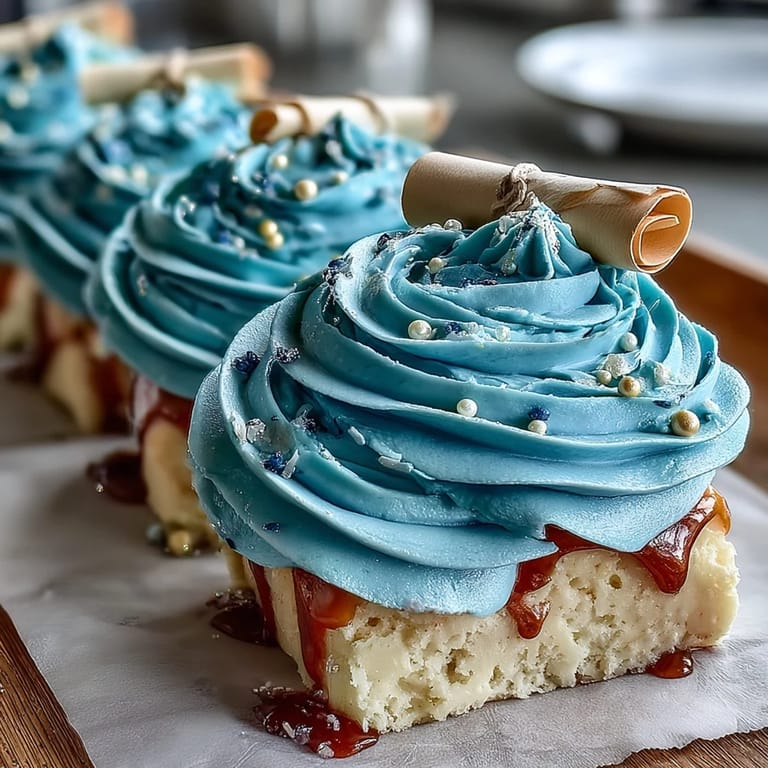
Fondant or white chocolate diplomas bring a playful, personalized touch to this cake. Rolling and shaping them with your fingers, it's easy to add little details, like edible “ribbons” or initials. The trick is to knead fondant well so it’s silky and easy to shape. If you don’t have fondant tools, a butter knife works fine for cutting and smoothing edges.>
Celebration Sheet Cake Shortcuts
Sometimes, the best kitchen hack is asking a friend or family member to help pipe roses—it lightens the mood and speeds things up. Setting up a decorating station with all your tips, colors, and pearls in reach saves time and lets everyone get creative. If preparing the diploma seems too fiddly, tiny scrolls piped in icing are adorable and quick.>
- Keep wet towels nearby for quick hand cleaning between colors.
- Let each layer set before moving to the next for cleaner designs.
- Slices hold their shape best if the cake is chilled briefly before serving.
 Save
Save May every graduation cake you bake bear both celebration and a few kitchen giggles. Try your own style, and enjoy every sweet slice together.>
Common Questions
- → How do I achieve fluffy buttercream?
Use softened butter, beat until creamy, and gradually add sifted powdered sugar while mixing. Adjust texture with milk as needed.
- → Can the cake be made ahead of time?
Yes, bake and cool the cake a day in advance. Store tightly covered, and decorate just before serving for best results.
- → How can I personalize the cake for graduates?
Use school colors for frosting and decorations, and add the graduate's name on the edible diploma or with piped lettering.
- → Can I make this cake chocolate flavored?
Swap ¾ cup flour with unsweetened cocoa powder to create a chocolate base while keeping the original texture and structure.
- → What piping tips are needed for decorating?
Rose and leaf tips are recommended for piping floral designs. Use a round tip for writing or fine details if desired.
- → Are there allergen-free decoration options?
Opt for allergen-free food colors and decorations. Always check labels, especially for pearls and fondant.