 Save
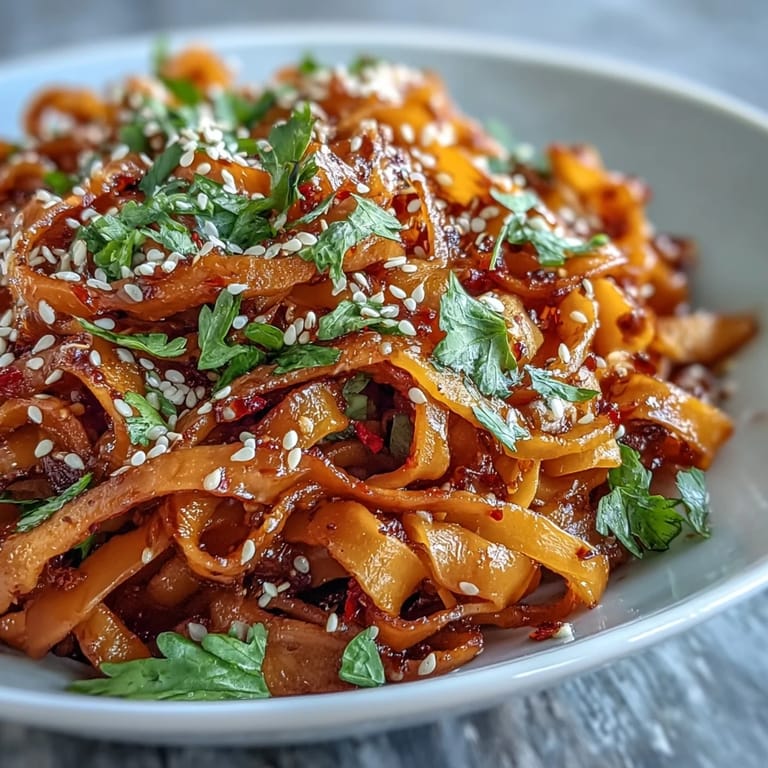
Save I discovered gochujang at a Korean market on a grey Tuesday afternoon, drawn in by the smell of fermented pastes and the friendly chaos of vendors calling out specials. The jar sat on a shelf between doenjang and ssamjang, and something about its deep red color and the promise of sweet-spicy complexity made me grab it without hesitation. That evening, I raided my vegetable drawer and found a lonely swede, and within an hour, this dish was born—a happy accident that's become one of my most requested meals.
I made this for a dinner party last spring when my friend mentioned she'd gone vegan, and I was genuinely nervous about serving something that wouldn't feel like a compromise. When she went back for thirds and asked if I'd share the recipe, I felt that quiet satisfaction of nailing it—no apologies, no explaining away the missing meat, just pure delicious food that happened to be plant-based.
Ingredients
- Swede (rutabaga): The star of the show—its natural sweetness intensifies when roasted, creating a gorgeous caramelized edge that grounds the whole dish.
- Gochujang: This fermented chili paste brings umami depth and a sophisticated heat that's nothing like hot sauce; look for it in the Asian aisle or order online, and keep it in your pantry forever.
- Rice noodles: They're delicate enough to coat evenly with dressing but sturdy enough not to fall apart, making them the perfect vehicle for all that flavor.
- Toasted sesame oil: Just a tablespoon transforms everything—use the real stuff, not the refined version, because the nutty aroma matters here.
- Soy sauce: Adds the salty backbone that makes the sweet and spicy elements shine; swap for tamari if you need gluten-free.
- Spring onions and fresh cilantro: These bright, fresh garnishes cut through the richness and make each bite feel alive.
- Maple syrup or honey: A touch of natural sweetness balances the heat without making anything cloying or one-dimensional.
Tired of Takeout? 🥡
Get 10 meals you can make faster than delivery arrives. Seriously.
One email. No spam. Unsubscribe anytime.
Instructions
- Heat your oven and prep the swede:
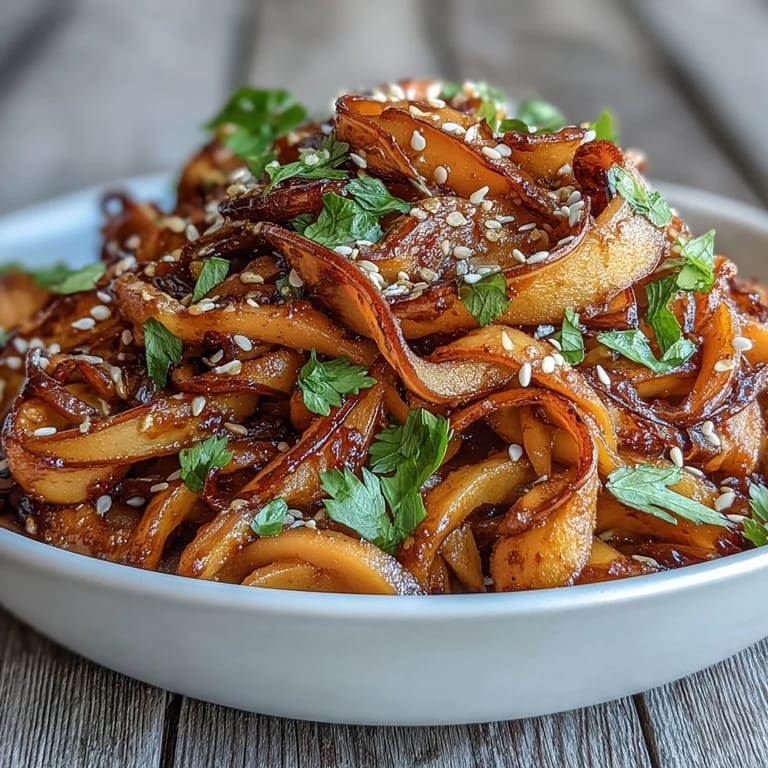
- Get your oven screaming hot at 220°C (425°F) while you peel and ribbon the swede—a mandoline makes this effortless, but a sharp knife and patience work just fine. Toss those ribbons with oil, salt, and pepper until they glisten.
- Roast until golden:
- Spread the swede in a single layer on your baking sheet and slide it in; after about 12–15 minutes, give everything a gentle toss so it colors evenly. You're looking for caramelized edges and a tender-but-not-mushy texture, which takes about 25–30 minutes total.
- Cook the noodles gently:
- While the swede works its magic, bring a pot of water to a rolling boil and cook your rice noodles according to the package time—usually just 4–5 minutes. Drain them immediately and rinse under cold water to stop the cooking and prevent clumping.
- Make the dressing:
- In a bowl, whisk together gochujang, soy sauce, maple syrup, rice vinegar, sesame oil, garlic, and ginger until smooth. Add water gradually until you reach a pourable consistency—it should coat a spoon but still flow.
- Bring it all together:
- Toss the warm roasted swede with the cooked noodles, spring onions, carrot, and bean sprouts in a large bowl, then pour the gochujang dressing over everything. Use two forks or tongs to toss gently but thoroughly so every strand gets coated in that gorgeous red sauce.
- Plate and garnish:
- Divide into bowls and shower with toasted sesame seeds and fresh cilantro—these final touches add texture and a pop of freshness that elevates the whole dish.
 Save
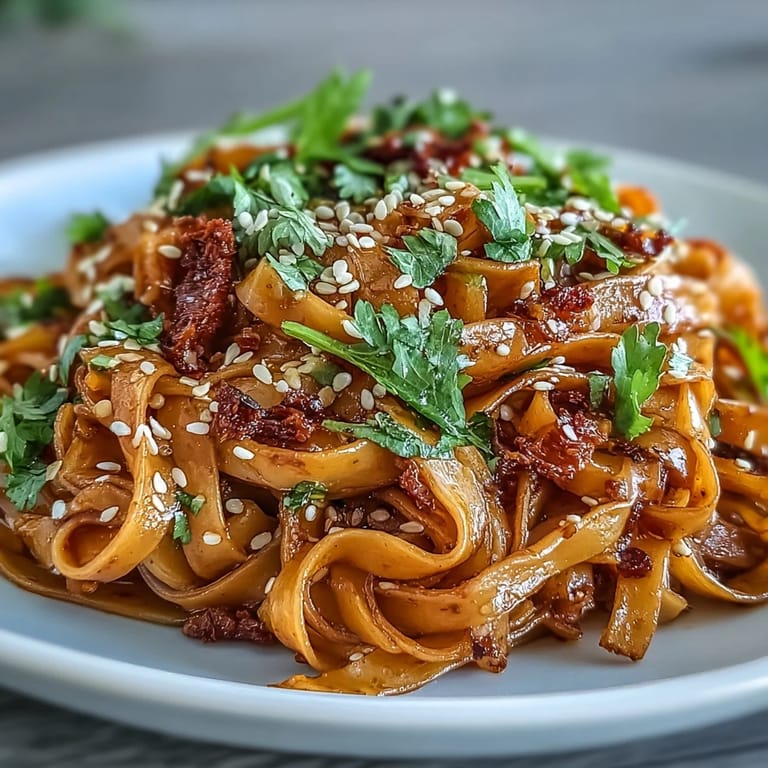
Save There's a moment, right before serving, when you toss everything together and watch the pale noodles transform into this vibrant coral-red canvas. It's the kind of visual payoff that makes cooking feel like small-scale magic, and it never gets old.
Why Swede Deserves More Love
Swede is criminally underrated—most people only think of it mashed or in stews, but roasting transforms it into something almost nutty and deeply satisfying. It's affordable, keeps brilliantly in the fridge, and has a natural sweetness that plays beautifully with Asian flavors without needing any fussing.
Making It Your Own
This dish is a blank canvas for whatever vegetables or proteins you have on hand—I've added roasted chickpeas for crunch, crispy tofu for substance, and even sliced radishes for bite. The beauty is that the gochujang dressing is so flavorful and forgiving that it adapts gracefully to substitutions.
Storage and Serving Suggestions
This is best served fresh and warm, when the contrast between the roasted swede and cool noodles is still vivid, but leftovers keep beautifully in the fridge for up to three days—just store the dressing separately and toss again before eating. It's honestly better the next day because flavors meld and deepen, though you might need a splash of water to loosen it up.
- Pack it in a container for lunch and let it come to room temperature for the most balanced flavor.
- If you're serving a crowd, double the dressing recipe because people will want extra for drizzling.
- Pair it with a crisp white wine like Riesling or a light lager to echo the sweet-spicy-savory balance.
 Save
Save This dish proved to me that plant-based cooking isn't about replacing anything—it's about building something delicious on its own terms. I hope it becomes a staple in your kitchen too.
Common Questions
- → Can I substitute swede with another vegetable?
Yes, you can use turnips, carrots, or butternut squash cut into ribbons. Adjust roasting time based on the vegetable's density.
- → Is gochujang very spicy?
Gochujang has moderate heat with sweet and savory notes. For less spice, reduce the amount or choose a mild variety. Add chili flakes only if you want extra heat.
- → Can I make this dish ahead of time?
You can roast the swede and prepare the dressing in advance. Toss everything together just before serving to keep the noodles from absorbing too much sauce.
- → What can I use instead of rice noodles?
Try soba noodles, udon, or even spiralized zucchini for a lower-carb option. Cook according to package instructions.
- → How do I make this gluten-free?
Use tamari instead of soy sauce and check that your gochujang is certified gluten-free. Rice noodles are naturally gluten-free.
- → Can I add protein to this dish?
Absolutely. Pan-fried tofu, edamame, or grilled tempeh work wonderfully. Add them when tossing the noodles with the dressing.