 Save
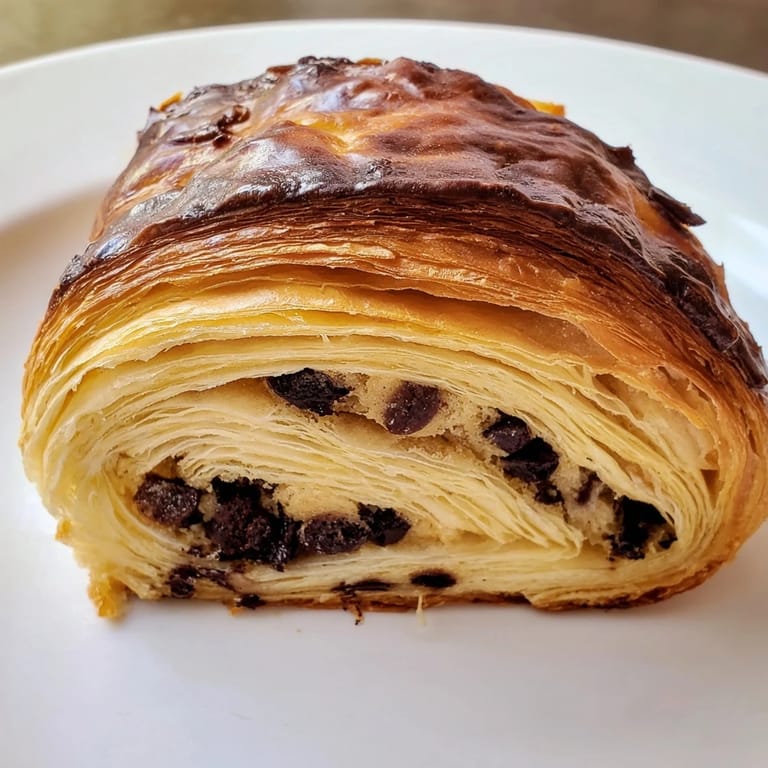
Save The first time I made a crookie, I was standing in my kitchen at 11 PM on a Saturday, staring at leftover laminated dough and a batch of cookie dough that had been calling my name all week. I'd been chasing the idea of something that felt impossibly indulgent—crispy and flaky on the outside, chewy and chocolate-rich on the inside—all in one bite. That night, I didn't sleep much, but I understood why this hybrid was worth the effort.
I brought a batch to a friend's house on a rainy afternoon, and watching her face when she bit into one—that moment of discovering the chocolate chips hiding between the flaky layers—made every fold and proof worth it. She asked for the recipe immediately, which is always the best compliment.
Ingredients
- All-purpose flour (250 g for dough, 120 g for cookie layer): The foundation of both textures; the laminated dough needs enough structure to hold those butter layers, while the cookie layer should be tender but sturdy enough to spread without tearing.
- Unsalted butter (150 g cold for lamination, 25 g melted for dough, 70 g softened for cookies): The real star here—cold butter creates those flaky layers, while the softened butter in the cookie layer brings richness and helps the dough come together.
- Granulated sugar (30 g for dough, 40 g for cookies): Adds sweetness and helps with browning; in the laminated dough it's subtle, but in the cookie layer it's part of what makes that caramelization happen.
- Brown sugar (60 g for cookie layer): This is what gives the cookies their chewiness and depth; don't skip it for regular sugar.
- Instant yeast (7 g): Creates that slight rise and airy texture in the laminated dough, though it's gentle compared to bread yeast.
- Whole milk, lukewarm (120 ml): Activates the yeast and hydrates the dough; lukewarm is key, not hot or cold.
- Eggs (1 large egg for dough, 1 egg yolk for cookies): Binds everything together and adds richness; the yolk in the cookie dough is pure indulgence.
- Vanilla extract (1 tsp): A quiet but essential flavor that rounds out the chocolate and butter.
- Baking soda (1/2 tsp) and salt (1/4 tsp for cookies, 1 tsp for dough): Baking soda makes the cookies spread and caramelize; salt amplifies every other flavor.
- Dark chocolate chips (100 g): Use quality chocolate here—it's one of only a few ingredients people actually taste.
Tired of Takeout? 🥡
Get 10 meals you can make faster than delivery arrives. Seriously.
One email. No spam. Unsubscribe anytime.
Instructions
- Mix and rest your laminated dough:
- Combine flour, sugar, salt, and yeast in a bowl, then add the lukewarm milk, melted butter, and egg. Mix until shaggy, then knead for about 5 minutes until the dough feels smooth and slightly elastic. Shape it into a rough rectangle, cover it, and let it chill for 30 minutes—this rest is crucial because it relaxes the gluten and makes the next steps easier.
- Prepare your butter block:
- While the dough chills, place your cold butter between two pieces of parchment paper and pound or roll it into a 15x15 cm square. It should be cold but pliable enough to fold without cracking. Chill this while you wait.
- Laminate in stages:
- Roll your dough out to 30x15 cm, place the cold butter square in the center, then fold the dough over from both sides to seal it like an envelope. Roll this out to about 45x20 cm, then fold it into thirds like a business letter—this is your first turn. Chill for 30 minutes, then repeat this rolling and folding twice more, chilling 30 minutes between each turn. After the final fold, let the dough rest for 1 hour in the fridge.
- Make the cookie dough:
- While your laminated dough does its final rest, beat softened butter with brown sugar and granulated sugar until the mixture looks fluffy and light, about 2 minutes. Add the egg yolk and vanilla, mix until combined, then fold in the flour, baking soda, and salt until just barely mixed—you don't want to overdevelop this. Gently fold in the chocolate chips, cover, and chill alongside your laminated dough.
- Assemble your crookies:
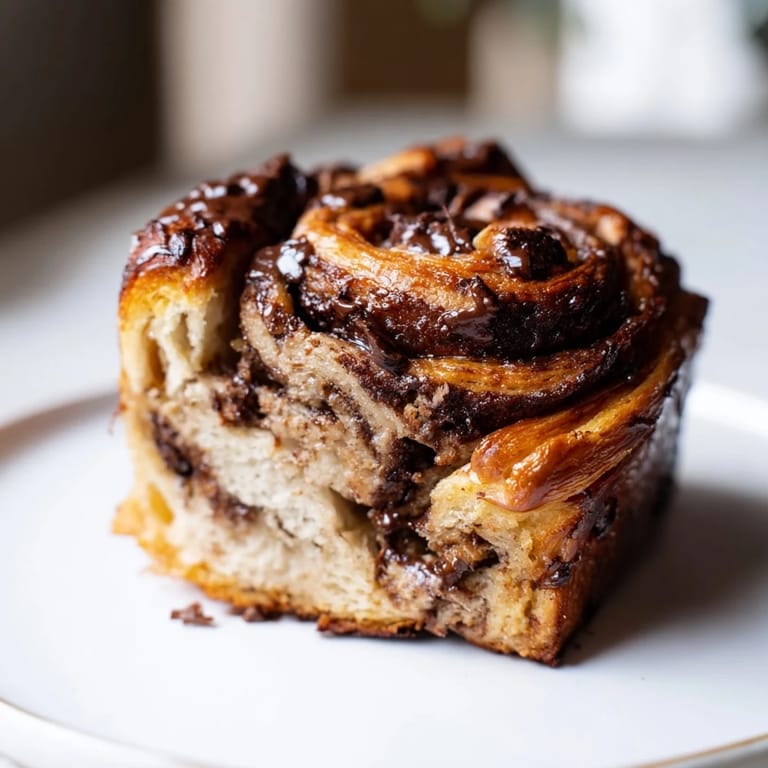
- Roll the chilled laminated dough to about 30x25 cm and roughly 6 mm thick. Spread or dollop the chilled cookie dough evenly across the surface, staying about 1 cm from the edges so it doesn't squeeze out during baking. Roll it up tightly from the long side, then use a sharp knife to slice it into 8 equal rounds—a bench scraper or thin knife dipped in hot water helps here.
- Proof and bake:
- Place each crookie on a parchment-lined baking sheet, cover loosely with plastic wrap, and let them proof at room temperature for 1 hour until they've puffed up slightly. Preheat your oven to 190°C (375°F) and bake for 18–20 minutes until the tops are golden and the edges feel set but the centers still have a hint of give. Cool them on a wire rack before serving, though I've never been patient enough to wait.
 Save
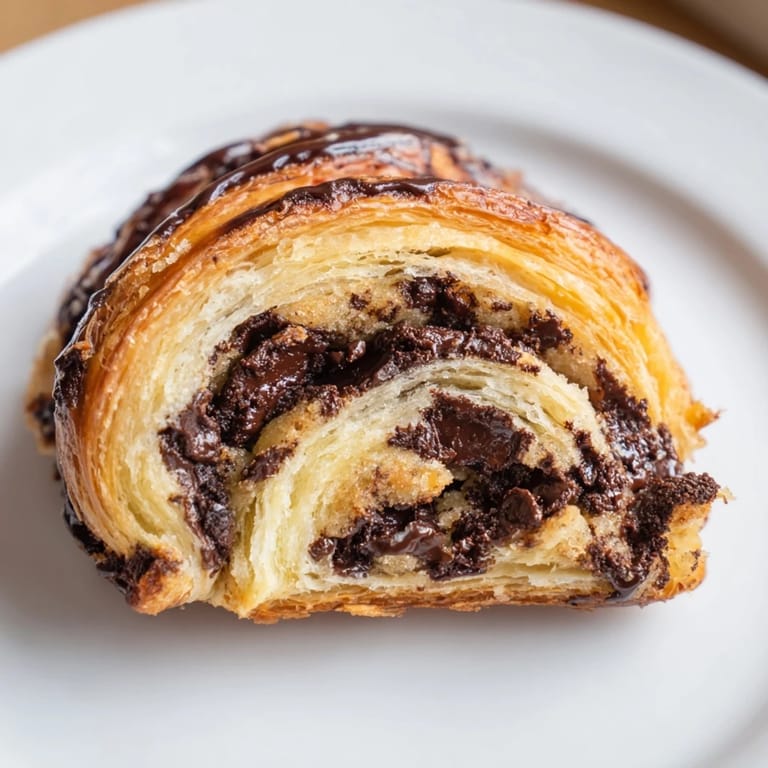
Save There's something almost meditative about watching the laminated dough transform through each fold—you can feel the butter starting to integrate, see those little glimpses of what's coming. By the time you slice them and watch the layers spiral, you know you're onto something special.
Why Lamination Actually Matters
The lamination process isn't just fussy technique for the sake of it. Each fold traps butter between layers of dough, and when that hits a hot oven, the water in the butter turns to steam and puffs everything up. The result is those crispy, delicate layers that shatter when you bite into them. Skip the folds or rush the chilling, and you end up with something that tastes more like a dense pastry than a crookie.
The Cookie Dough Matters Too
It's tempting to just use your favorite chocolate chip cookie dough, but cookie dough made specifically for this hybrid needs a slightly different ratio. The addition of the laminated dough already brings a lot of richness and flakiness, so the cookie layer should be slightly less dense than a standalone cookie—think chewy center rather than thick cookie. The egg yolk instead of a whole egg keeps it from being too cake-like, and chilling it alongside the laminated dough ensures both components are the same temperature when you assemble them.
Custom Additions That Actually Work
The moment you master the basic crookie, the variations open up. Chopped nuts like pistachios or hazelnuts add texture, or swap the dark chocolate for white chocolate and add freeze-dried berries. I've even tried adding a tiny sprinkle of fleur de sel on top before baking, which somehow makes the chocolate taste richer.
- Toast any nuts lightly before adding them so their flavor comes through against the buttery dough.
- If experimenting with mix-ins, keep the total volume around 100 grams so the dough still spreads evenly.
- Always add an egg wash—a beaten egg brushed on top—if you want that glossy, bakery-shop appearance.
 Save
Save A warm crookie with strong coffee is a small moment that feels disproportionately good, especially when you made it yourself. That's the real reward here.
Common Questions
- → What is laminated dough and why is it used here?
Laminated dough is a layered dough made by repeatedly folding butter into the dough, creating thin, flaky layers that give the croissant its signature texture.
- → How can I ensure the chocolate chips stay evenly distributed?
Fold the chocolate chips gently into the cookie dough layer just until combined, then spread evenly over the laminated dough before rolling.
- → Can I substitute any ingredients in the cookie layer?
You can experiment with different types of chocolate or add chopped nuts to add variation and texture to the cookie layer.
- → Why is resting and chilling the dough important?
Chilling allows the butter layers to firm up, which is essential for creating the flaky texture in the laminated dough after baking.
- → What is the best way to store leftovers?
Store cooled portions in an airtight container. Reheat gently before serving to restore flakiness and warmth.