 Save
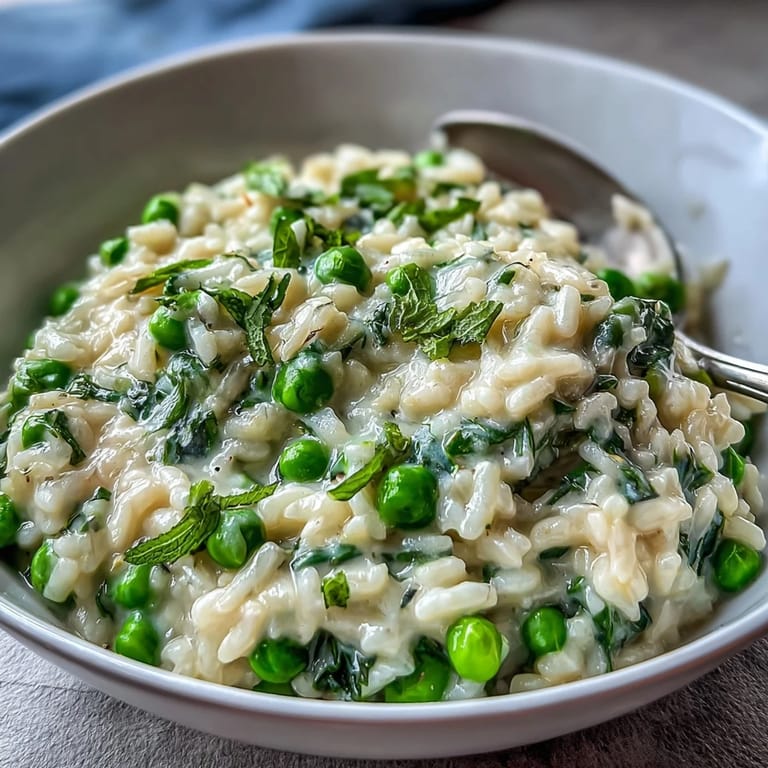
Save It was one of those shimmering late-April afternoons when the air still felt crisp, but every patch of sunlight promised summer. I noticed a bag of spring peas at the market, green and plump like tiny jewels, and couldn't resist grabbing a handful. Cooking risotto always reminds me of evenings set aside for slow, purposeful stirring—a gentle antidote to the day's noise. As the broth simmered and steam fogged my glasses, I found myself humming, anticipation building. Since then, the scent of lemon zest and mint brings back a rush of color and a twinge of giddiness, just like that day.
A memorable time was when I made this for my friend Ella, who showed up unannounced with a bottle of white wine and a knack for picking out every pea from her food. By the end of dinner, she was spooning the last bits from the pot and insisting I show her exactly how tiny I'd chopped the mint. I still laugh remembering our matching green-dappled smiles after the second helping. Moments like that make peeling peas worth the trouble. Even now, I send her photos every spring when the peas arrive.
Ingredients
- Spring peas (1 1/2 cups): Their sweetness makes the risotto pop; if using frozen, thaw before adding for best texture.
- Shallot (1 medium, finely chopped): Softer and more delicate than onion, shallot disappears into the rice, lending a gentle base flavor.
- Garlic (2 cloves, minced): Don't skip; a little goes a long way in deepening the aroma.
- Fresh mint leaves (2 tablespoons, finely chopped): Brings cool brightness—chop just before adding to avoid browning.
- Lemon zest (zest of 1 lemon): Lemon zest adds a burst of fragrance right at the end; zest before juicing to keep things simple.
- Arborio rice (1 1/2 cups): The key to creaminess, as the high starch content gives risotto its signature texture.
- Vegetable broth (4 cups, low-sodium): Warm it gently first; cold broth slows everything down and can make the rice gummy.
- Dry white wine (1 cup): Adds lovely depth—Sauvignon Blanc is my usual pick, but any crisp, not-too-oaky white works.
- Olive oil (2 tablespoons): For sautéing and adding a subtle fruitiness; look for extra-virgin if you can.
- Unsalted butter (3 tablespoons): Fold in at the end for that signature risotto gloss.
- Aged Parmesan cheese (3/4 cup, finely grated): Nutty, umami-rich cheese brings everything together; grate fresh for best melt.
- Kosher salt (1/2 teaspoon, plus more): Taste as you go—especially with salty Parmesan involved.
- Freshly ground black pepper (1/4 teaspoon): A few cracks over the top at the end makes the flavors sing.
Tired of Takeout? 🥡
Get 10 meals you can make faster than delivery arrives. Seriously.
One email. No spam. Unsubscribe anytime.
Instructions
- Warm the Broth:
- Pour the vegetable broth into a saucepan and let it heat gently so it's steaming but not boiling—this will help the rice cook evenly.
- Sauté Aromatics:
- In your biggest skillet or Dutch oven, swirl the olive oil over medium heat, then tumble in the shallot and garlic; listen for the gentle sizzle and cook until translucent and fragrant, about 2-3 minutes.
- Toast the Rice:
- Stir in the Arborio rice, coaxing every grain to glisten with oil, and let it toast for 2 minutes—the kitchen should fill with a nutty aroma.
- Add Wine:
- Pour in the white wine, scraping the pan, and watch as it bubbles and almost disappears—stir frequently so nothing sticks.
- Start Adding Broth:
- Ladle in the first scoop of warm broth, stirring until it is absorbed, then keep adding broth one ladleful at a time, always stirring gently; it's meditative and makes the risotto creamy.
- Stir in the Peas:
- When about half your broth is gone and 15 minutes have passed, drop in the peas—fresh or thawed—and let them turn brilliant green as you keep stirring and adding broth as needed.
- Finish and Enrich:
- Once the rice is tender yet still has a tiny bite (al dente), remove from heat and immediately stir in the butter, Parmesan, mint, and lemon zest, letting the warmth melt everything to silk.
- Final Seasoning and Serve:
- Season to taste with salt and pepper, then spoon onto plates and shower with extra cheese and mint if you're feeling fancy—serve right away for peak creaminess.
 Save
Save  Save
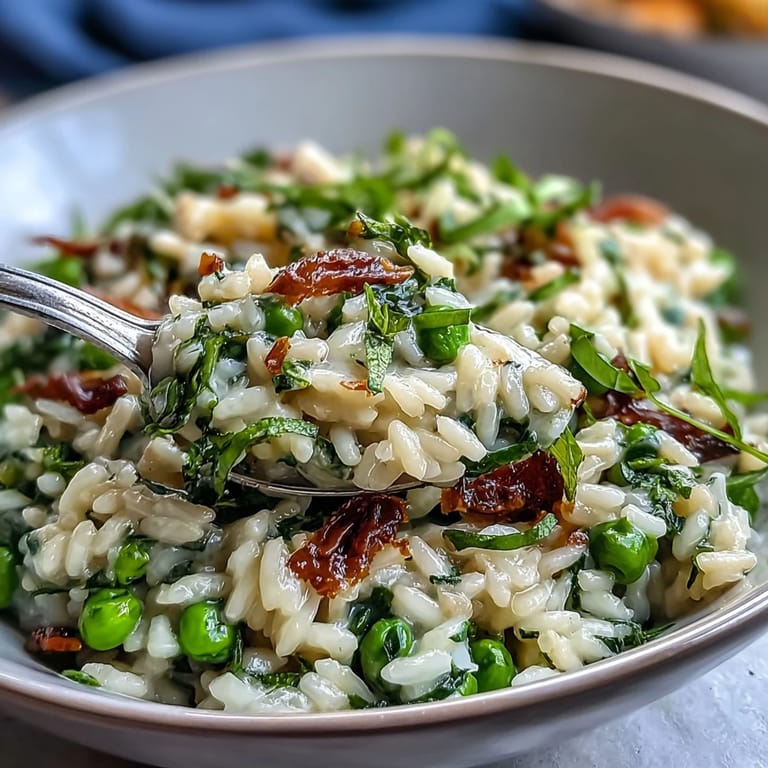
Save I'll never forget bringing this to the table at a small dinner just as twilight slipped through our kitchen window; every forkful shimmered with promise and laughter, a rare pause where everyone simply enjoyed being together. It was, if only for a night, a quiet celebration of the season's gentle joys.
When to Serve Spring Pea Risotto
I've found this risotto perfectly fits both breezy Saturday lunches with friends and the sort of weeknight when you need a little something extra to nudge the day from ordinary to memorable. If you want something special but not fussy, this ticks all the boxes and pairs with almost any fresh green salad.
Making It Your Own
Once you're comfortable with the basics, fold in other spring vegetables like asparagus tips or a handful of baby spinach for more color and flavor. Even swapping in pecorino for Parmesan switches things up and keeps the dish exciting year after year.
Fine Tuning Texture and Flavor
Testing the risotto a minute before you think it's done prevents the dreaded mushy rice disaster; aim for that elusive balance—creamy with a gentle bite. Lemon zest and mint shouldn't overpower, so go slow and taste as you mix them in.
- Add a splash of cream if you crave even more silkiness.
- Use a wooden spoon for gentler stirring that won't break the rice.
- Remember: risotto waits for no one, so have your guests gathered before finishing.
 Save
Save 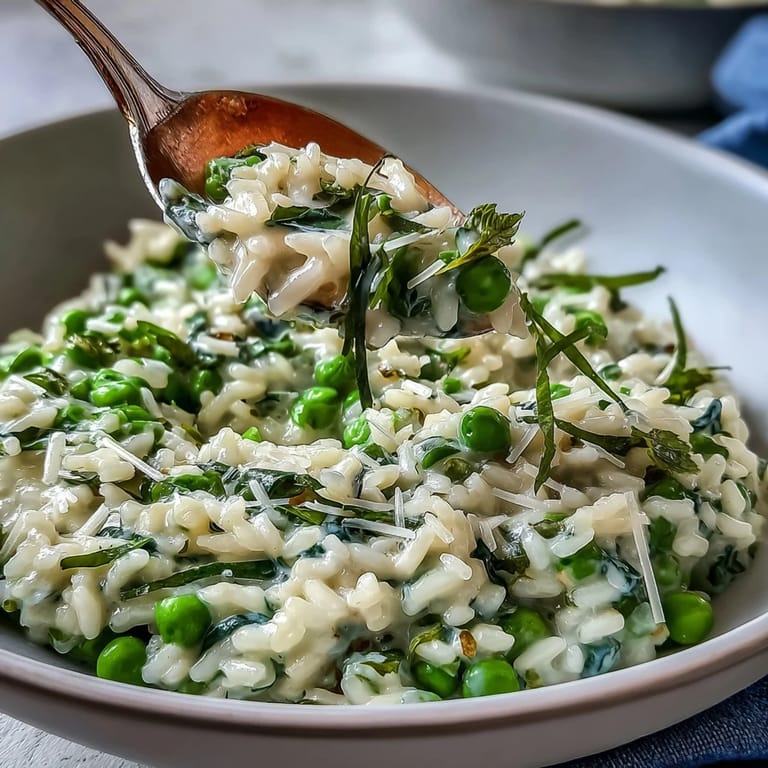 Save
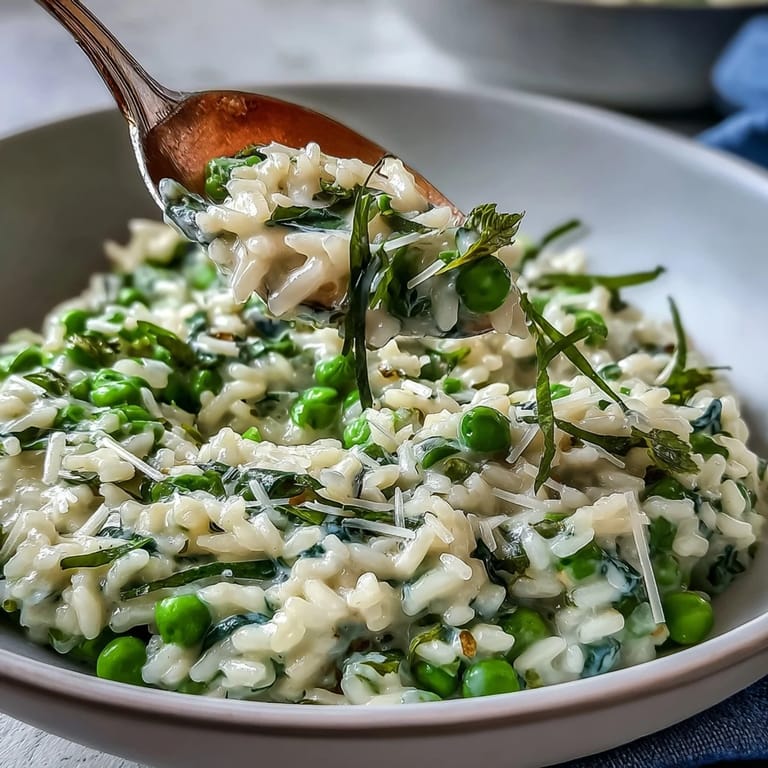
Save Spring Pea Risotto is my favorite reason to linger at the stove, just for the promise of a creamy spoonful bursting with green. I hope making this brings a breath of spring to your table, no matter the weather outside.
Common Questions
- → How do I achieve a silky, creamy texture?
Use warm broth and add it one ladleful at a time while stirring frequently. Toasting the rice first and finishing with butter and finely grated Parmesan helps create a rich, velvety finish.
- → When should I add the peas for best color and texture?
Fold fresh or frozen peas in during the last 5–7 minutes of cooking so they stay bright and tender. If using frozen, add a minute or two earlier if they need extra time to heat through.
- → Can I skip the white wine?
Yes. Substitute an equal amount of warm broth plus a splash of lemon juice or a teaspoon of white wine vinegar to retain acidity and depth of flavor.
- → What cheese works if I don't have aged Parmesan?
Pecorino Romano offers a sharper, saltier profile; a blend of hard Italian cheeses also works. Grate finely and taste before adding extra salt.
- → How should leftovers be stored and reheated?
Cool to room temperature, refrigerate in an airtight container up to 2 days. Reheat gently over low heat with a splash of broth, stirring to restore creaminess and finish with a pat of butter.
- → What wine pairs best with this dish?
Crisp, citrus-driven whites like Sauvignon Blanc or Pinot Grigio complement the peas and lemon zest. A lightly oaked Chardonnay can also pair nicely with the richness.