 Save
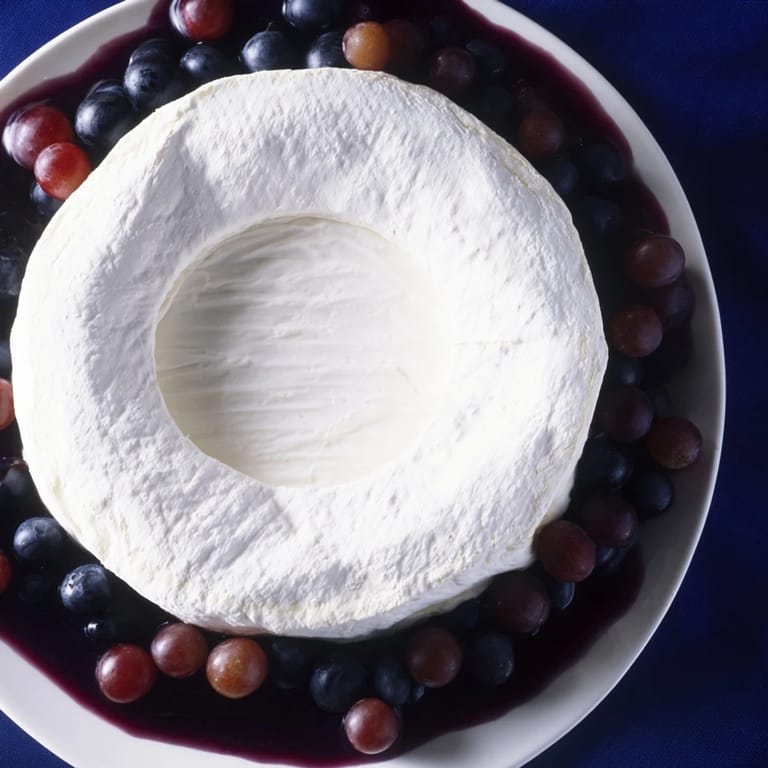
Save I'll never forget the moment my friend Sarah pulled this cheese wheel centerpiece out of her kitchen and we all gasped—it looked like something from a fairy tale, a golden island floating on an impossible sea of blue. She'd spent barely twenty minutes throwing it together, and yet somehow it became the star of the entire dinner party, everyone crowding around it like kids discovering treasure. That night, I realized that the best appetizers aren't always the most complicated; sometimes they're just the ones that make people smile before they even take a bite. Now whenever I set one up, I feel that same flutter of excitement watching people's faces light up.
I made this for a small gathering last spring when my partner's family was visiting, and I watched my normally reserved uncle actually break into genuine laughter as he arranged grapes around the edge like he was designing a mosaic. The blue yogurt had this jewel-like quality in the afternoon light streaming through the kitchen window, and suddenly this simple thing felt almost ceremonial, like we were plating up a memory instead of just cheese and dip. That's when I understood why this dish works—it invites people to play, to be creative, to make the moment feel special without any fuss.
Ingredients
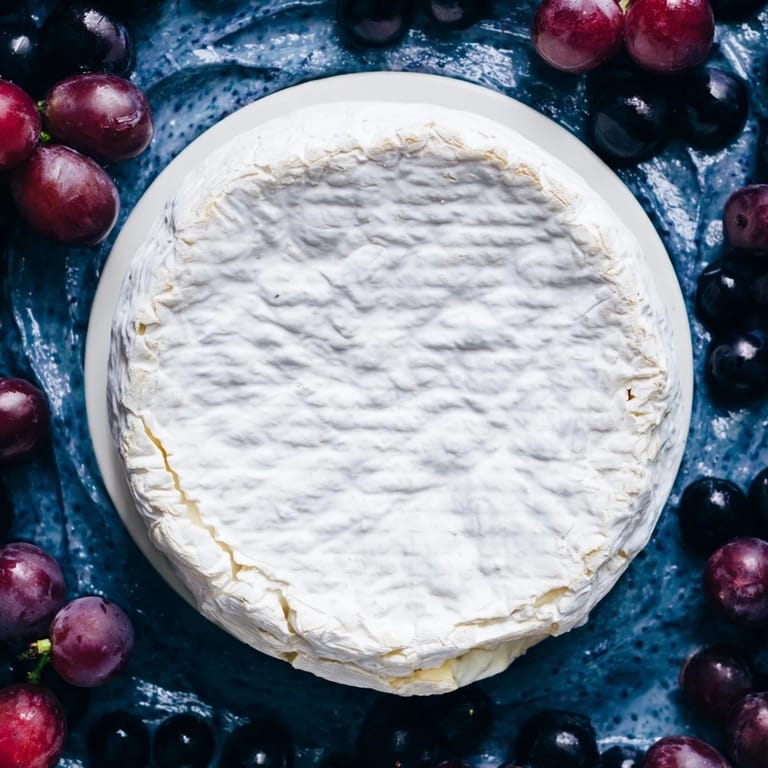
- Large wheel of soft-ripened cheese (Brie or Camembert, about 500 g): This is your island's foundation, and its creamy interior is what makes people come back for more; choose one that's ripe enough to be spreadable but still holds its shape, and if you can find one with a thin white rind, it'll look even more dramatic against the blue.
- Plain Greek yogurt (400 g): The tanginess here balances the richness of the cheese beautifully, and the thickness of Greek yogurt means your lake won't pool and run off the platter like regular yogurt would.
- Lemon juice (1 tbsp): A squeeze of brightness that cuts through the richness and keeps the dip from tasting one-dimensional.
- Garlic powder (1 tsp): This adds a savory whisper that makes people wonder what your secret ingredient is.
- Salt (1/2 tsp): Never skip this—it's what wakes up all the other flavors and makes the dip taste intentional.
- Blue food coloring (gel or natural): Gel coloring is more forgiving than liquid, and a little goes a long way; natural alternatives like butterfly pea flower will give you a softer, more ethereal blue if that's your style.
- Seedless black or red grapes (250 g): These are your dramatic border, and using a mix of colors creates more visual impact than sticking with just one.
- Fresh herbs (optional): A handful of parsley, chives, or microgreens scattered across the cheese wheel ties the whole thing together and gives you something to reach for while you're eating.
Tired of Takeout? 🥡
Get 10 meals you can make faster than delivery arrives. Seriously.
One email. No spam. Unsubscribe anytime.
Instructions
- Set your island in place:
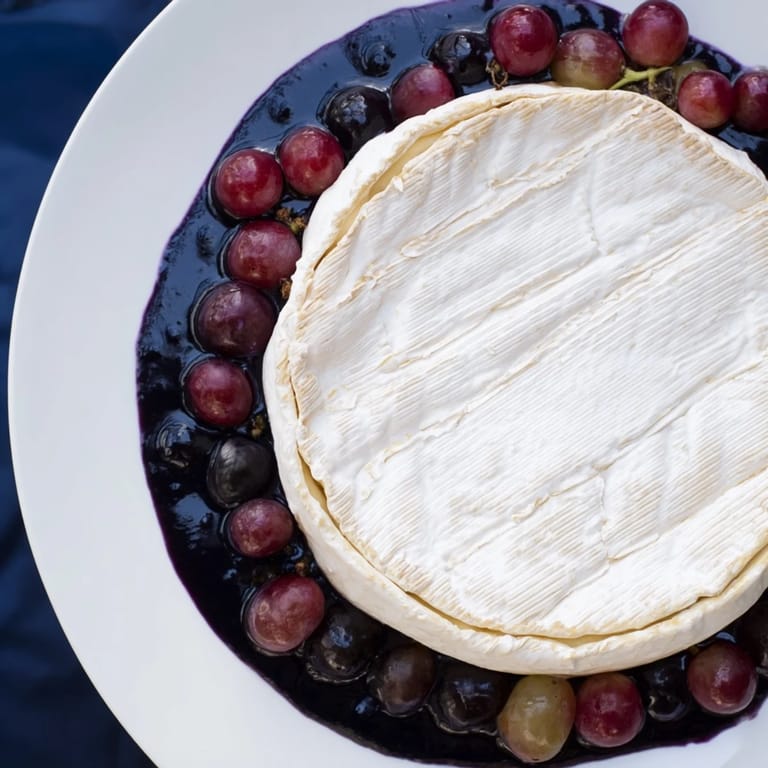
- Place the cheese wheel right in the center of your largest serving platter, giving it room to breathe on all sides. If it feels wobbly, slice a tiny sliver from the bottom to create a flat base, but keep the sliver hidden under the cheese so nobody sees your minor edit.
- Build your yogurt sea:
- Combine the Greek yogurt, lemon juice, garlic powder, and salt in a bowl, stirring until everything is smooth and the salt has fully dissolved. This takes maybe a minute, but those few moments of stirring matter—you'll feel the mixture lighten slightly, which means the salt is doing its work.
- Create the blue magic:
- Add your food coloring one small drop at a time, stirring between each addition, because it's far easier to go darker than lighter. The moment you hit that deep, jewel-like blue is oddly satisfying—you'll know it when you see it, that color that makes people say "wow."
- Spoon your lake:
- Carefully pour and spoon the blue yogurt dip around the cheese wheel, letting it pool naturally around the base and edges. Work slowly here—if you splash it onto the platter edge, you can always wipe it clean, but the journey matters more than perfection.
- Frame it with grapes:
- Arrange the grapes around the outer edge of the yogurt lake like a dramatic shoreline, clustering them close together for impact. If you're using both colors, alternate them or create little grape constellations—this is where you get to flex your artistic instincts.
- Add the finishing touch:
- If you're using fresh herbs or edible flowers, scatter them across the top of the cheese island now, right before serving. These little green or purple flecks lift the whole thing from "nice" to "restaurant-quality" in seconds.
 Save
Save Years ago, I made this for a group of food writers, half expecting them to pick it apart, but instead they all fell silent when I carried it out—and that silence, followed by genuine delight, told me everything I needed to know. It transformed that evening from a meal into an experience, proof that sometimes the most memorable food isn't about technique or exotic ingredients, but about the feeling you create.
Playing with Color and Drama
The blue yogurt is optional in name only, because it's really the entire point of this dish—it transforms something very simple into something that feels theatrical. If you want to experiment, try a soft purple using butterfly pea flower steeped in a little warm water and cooled, or even a pale green with a single drop of green food coloring and a tablespoon of fresh basil pureed into the yogurt. The color doesn't change the flavor, but it completely changes how people respond to the plate.
What to Serve Alongside
This dish needs companions—not because it's incomplete, but because the fun is in the pairing. Crackers are the obvious choice, but I've had better luck with thin toasted baguette slices, grissini breadsticks, or even crispy water crackers that don't overpower the delicate flavors. If your crowd leans savory, add a small bowl of marcona almonds or olives nearby; if you're feeling elegant, a crisp white wine like Sauvignon Blanc or even a light Albariño turns this into a proper appetizer course.
Making It Your Own
The beauty of this recipe is how it invites you to tinker without breaking anything. I've drizzled a spoonful of pesto across the yogurt lake, swirled in a little truffle oil, even added a scatter of pomegranate seeds for an autumn version that looked like garnets against snow. The cheese wheel itself can be any soft-ripened variety—Brie, Camembert, Burrata even, if you're feeling luxurious and want the creamy inside exposed just slightly. For a vegan table, cashew cheese wheels exist now and work beautifully, and there are plenty of plant-based yogurts that take food coloring just as well as dairy versions do.
- If grapes feel too summery, try fresh figs halved to show their pink insides, or roasted hazelnuts for a more autumnal feel.
- A swirl of good olive oil on top of the yogurt adds richness and a professional touch that looks intentional.
- Keep the cheese at room temperature for twenty minutes before serving so it's spreadable but still holds shape when cut.
 Save
Save This dish taught me that hospitality isn't always about complexity—sometimes it's about taking a moment to create something beautiful, something that makes people feel cared for before they even taste a bite. That's the real island here, the one you build when you gather people around food.
Common Questions
- → What type of cheese works best for the island?
Soft-ripened cheeses like Brie or Camembert hold their shape well and provide a creamy texture perfect for this centerpiece.
- → How can I achieve the vibrant blue color in the yogurt dip?
Use gel or natural blue food coloring, adding a little at a time to reach a deep lake-like hue without overpowering the flavor.
- → Are there alternative garnishes besides grapes?
Fresh herbs or edible flowers placed on the cheese wheel add fragrance and visual interest, complementing the grapes.
- → Can this dish accommodate dietary restrictions?
Use vegan cheese and plant-based yogurt for a dairy-free option; check labels for gluten when needed.
- → What is the best way to serve this centerpiece?
Present on a large platter with crackers or crusty bread on the side for easy spreading and snacking.